Orange Vests
Orange vests cover a much broader palette than one bright shade. Peach and apricot can create a soft accent, coral brings a pink-orange direction, and cinnamon or rust adds earthier warmth. A vest makes that color a substantial part of the outfit while leaving the jacket free to remain neutral. The Orange Formalwear hub helps you compare the surrounding pieces and choose a clear styling direction.
Choose the right intensity of color
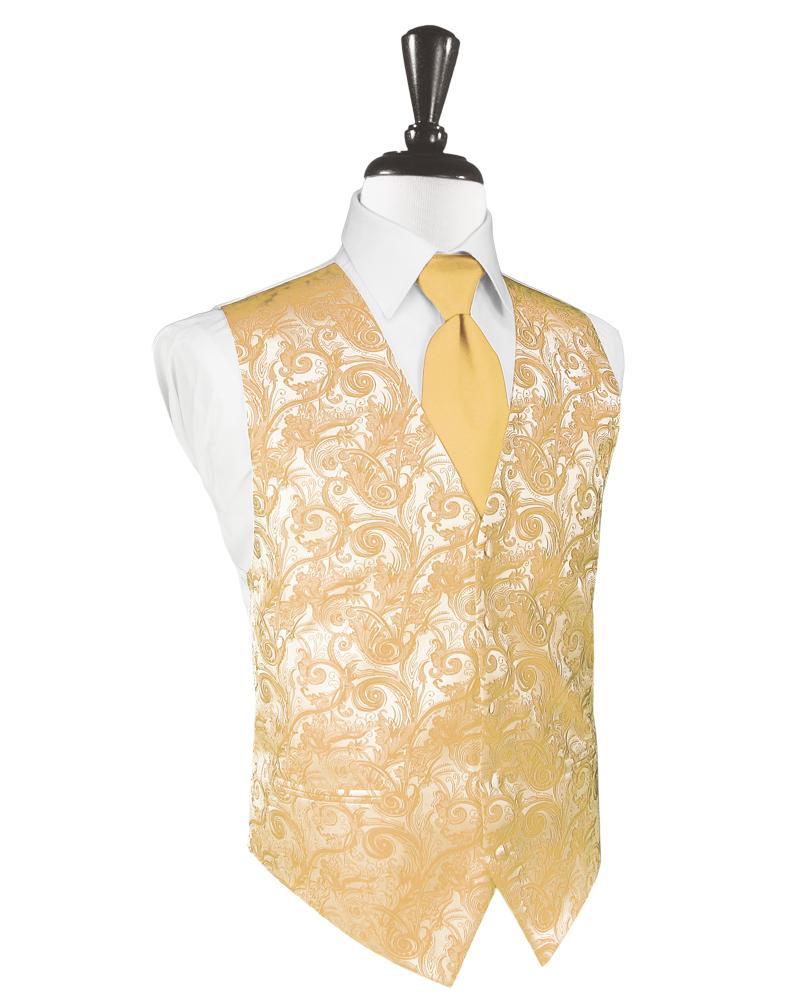
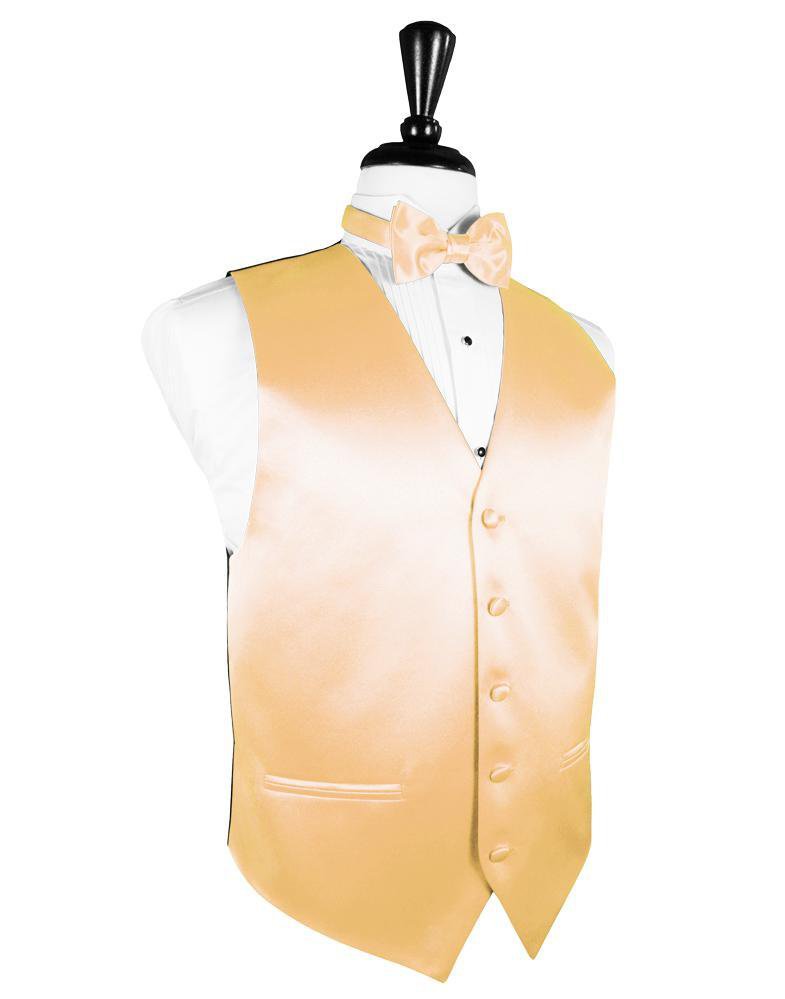
Begin by deciding whether you want a subtle warm accent or a more vivid statement. Peach and apricot can look softer, while mandarin and tangerine supply brighter options. Coral and Coral Reef offer related but distinct directions. Compare the actual products instead of assuming the names describe identical shades across fabric ranges.
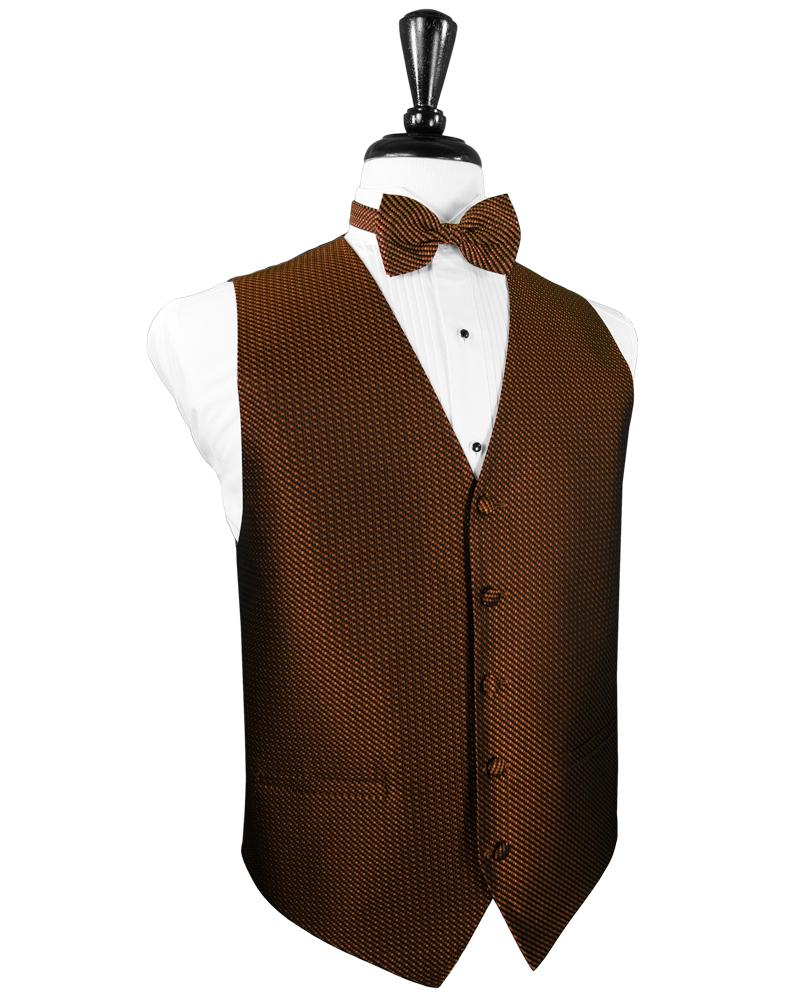
Cinnamon and autumn-inspired tones can work when you prefer a deeper, earthier palette. Rust also connects with coordinating suit separates. The event setting, shirt and jacket all affect how strong the color appears, so assess the vest as part of the outfit rather than choosing from a fabric image alone.
Distinguish suit vests from accessory styles
The Rust Metro Vest is a direction to review with the Metro Rust jacket in orange men’s suits. For a matching three-piece outfit, confirm the exact collection and fabric recommendations. A similarly colored accessory vest from another range should not be assumed to form a matching suit.
A contrasting orange-family vest can instead introduce color beneath neutral tailoring. Make that contrast intentional. A navy, grey or darker jacket gives the vest a different setting from a light neutral suit, and the best choice depends on how much attention you want the waistcoat to attract.
Compare the available textures
Luxury Satin, Tapestry, Herringbone, Palermo, Venetian and Striped Satin appear across the assortment. A smooth finish can emphasize the color, while a textured weave adds detail more subtly. Review the individual material and care information rather than assuming all styles with a similar name have the same composition.
When coordinating accessories, keep the fabric family in your notes. Coral Satin and Coral Herringbone may relate well without looking identical. If an exact set is important, compare the appropriate products and samples; if a looser relationship is the goal, use texture as a deliberate difference.
Coordinate the neckline for weddings
A white shirt can give orange-family accessories a clean background. An ivory-family shirt creates a warmer effect, but compare it carefully with peach or apricot so the pieces do not blend unintentionally. The shirt should help define the vest's neckline and support the chosen tie or bow tie.
Browse orange neckties and orange bow ties for related shades. A tonal pairing can work, but a contrasting tie is another way to keep the center of the outfit clear. If the vest is patterned, quieter neckwear is often the easiest starting point.
Plan group consistency and individual fit
For a wedding party, share the exact vest reference and decide whether the groom will wear the same shade or a deliberate variation. A broad instruction to wear coral can result in several different fabrics and undertones. Check the required sizes before committing the entire group to one style.
Use the product's size chart and fit guidance to assess measurements. The vest should sit neatly over the shirt and cover the intended trouser transition. Try it while sitting and standing, and inspect it with the jacket both open and closed so that the proportions work throughout the event.
Finish with a balanced palette
Explore orange pocket squares for a small related accent, but avoid adding every accessory simply because it exists in the same color. If the vest provides the main statement, shoes and other details can stay quieter. A few clear connections usually create a more considered outfit than uniform color everywhere.
Where available, orange fabric swatches help compare the corresponding material with wedding fabrics or an existing jacket. View them under consistent lighting, confirm the exact range, and try the finished pieces together. The final choice should combine an intentional warm palette with a comfortable fit.
Questions to Settle Before Ordering
For orange, consider how much of the color will be visible and how saturated it appears beside the tailoring. A small bright accent and a larger muted area create different effects. Use the overall balance of the outfit to guide the choice.
What should I check if the jacket will come off? Look at the vest’s back, adjuster and lining details in the product information, then try it over the shirt you will wear. The shirt should sit smoothly at the arm openings and waist without excessive bunching. View the outfit from the side and back as well as the front. This is particularly useful for receptions or performances where the vest may become the main visible garment for part of the occasion.
Should everyone in a group order the same size system? Use the selected vest’s own sizing guidance for each person. Do not translate a casual shirt size directly into a vest size without checking measurements, and do not assume different vest ranges fit identically. Keep the product style and size information together in the group’s order record. An adjustable feature can help refine fit within its intended range, but it should not be treated as a substitute for choosing an appropriate starting size.
Can a vest work with more than one jacket? A contrasting accessory vest may be useful with several outfits, while a suit-coordinate vest is designed around a more specific fabric relationship. Review its construction and intended use before planning additional combinations. Try it with the new trousers as well as the jacket, since waistband coverage can change. A versatile result still needs a coherent level of formality and a comfortable fit; matching a color alone does not establish either one.