Orange Bow Ties
An orange bow tie can be a soft peach detail, an earthy burnt-orange accent or a brighter burst of tangerine. The family gives you several ways to add warmth without changing the entire suit. Start with the jacket and shirt, then decide how much color you want at the collar. Our Orange Formalwear guide helps connect the neckwear with the wider range of warm-toned clothing and accessories.
Choose a warm shade with the right strength
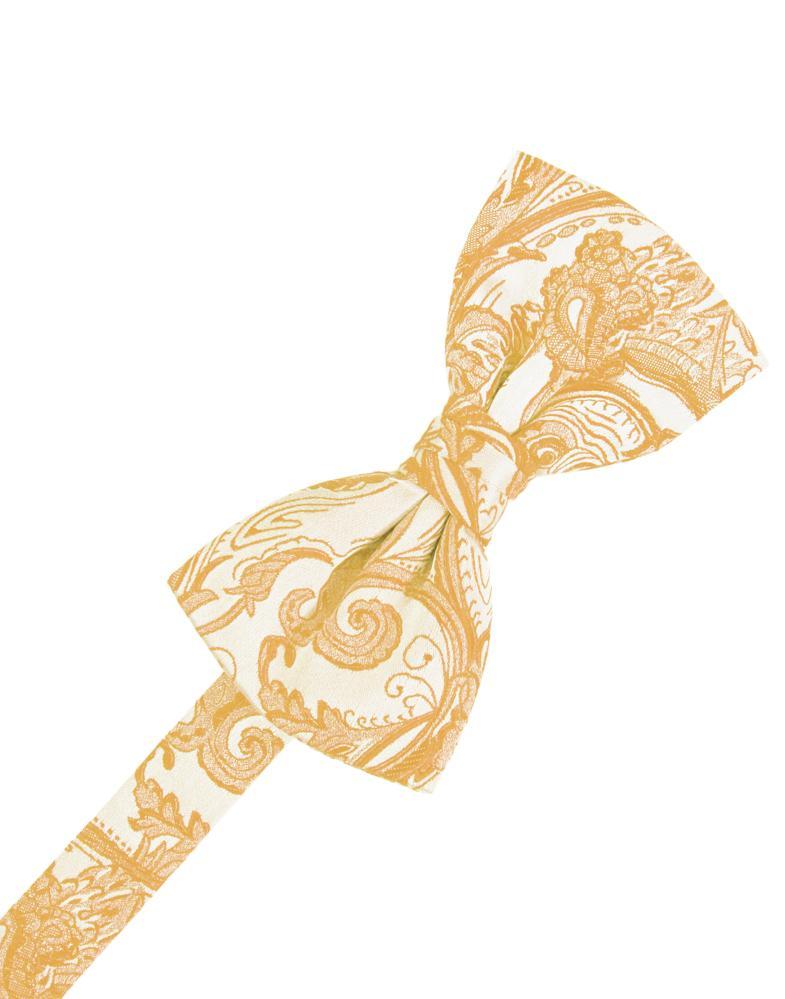
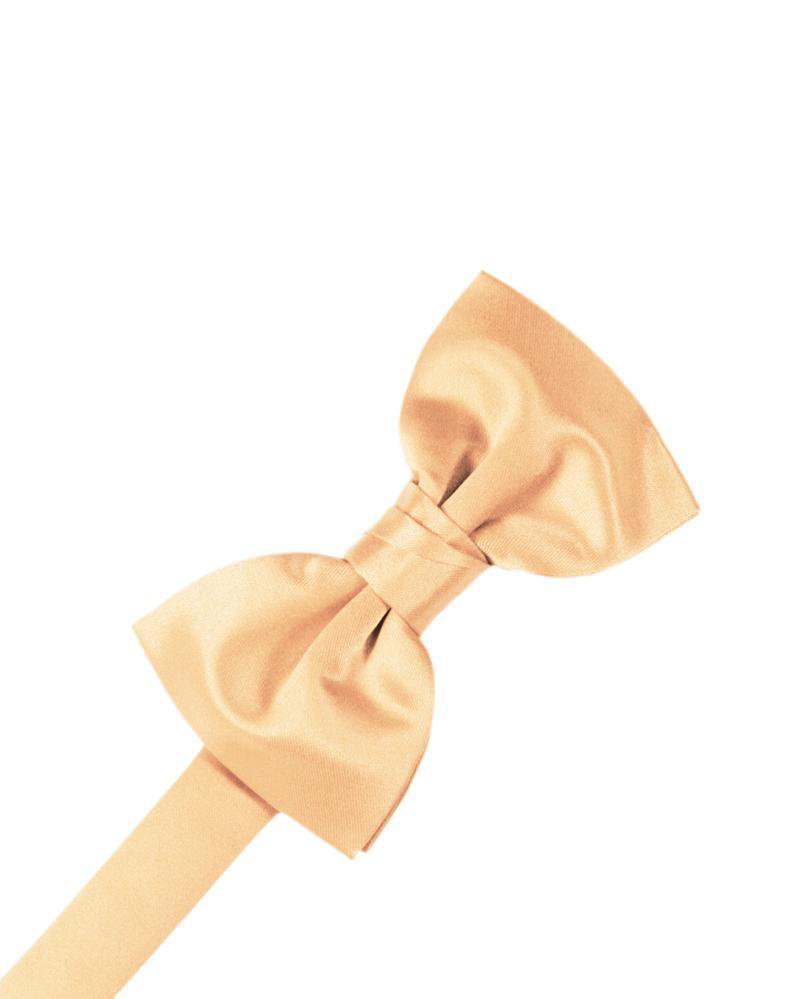
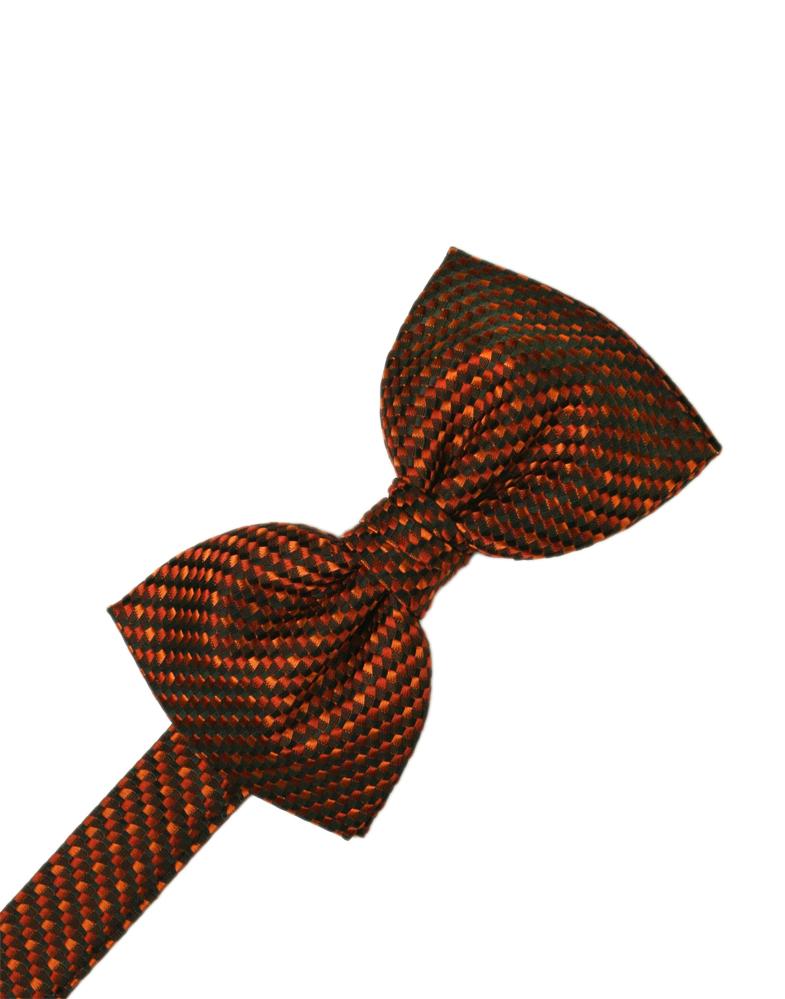
Peach and apricot can create a lighter impression, while coral and Coral Reef bring pink-orange tones. Mandarin and tangerine are brighter directions. Cinnamon, rust, Sedona and Sienna offer earthier alternatives. Compare the actual products because a shade name does not establish the same color across every fabric family.
Think about the shirt directly behind the bow tie. A pale peach needs enough contrast to retain its outline, while a deeper burnt orange creates a stronger accent against white. If you are coordinating a wedding palette, compare the real materials together rather than judging each from a separate screen image.
Explore different fabrics and patterns
Luxury Satin, Tapestry, Herringbone, Palermo, Venetian and Striped Satin provide a range of finishes. Burnt Orange Silk Knit and Rust Solid Satin Silk offer additional directions to review. Read the individual construction and care details, especially when comparing a knit texture with a more conventional woven bow tie.
Orange Regal, Madison Plaid and Newton Stripe add pattern, while the Blossom Floral designs include Sedona & Desert Coral, Dark Coral and Burnt Orange. A pattern can connect several colors in the outfit, but it should not compete with a similarly busy jacket. Vary pattern scale or keep one piece plain.
Style the bow tie with tailoring
With a navy or grey suit, orange-family neckwear can become the main warm accent. With rust tailoring, it creates a tonal direction that needs careful shade comparison. A darker or lighter bow tie can be more effective than an almost-match between unrelated fabrics.
For orange tuxedo jackets, consider the jacket's floral or other decorative detail before adding patterned neckwear. A simple bow tie may be enough. If the invitation requires conventional black tie, compare black bow ties and the appropriate ensemble rather than assuming a color match determines suitability.
Coordinate weddings and prom outfits
A bow tie can pick up a small color from another outfit without matching it head to toe. For prom, that might mean echoing a warm accent in a partner's clothing. For a wedding, the groom might use a deeper cinnamon while attendants share a softer coral, provided the variation is deliberate.
If uniformity is the goal, share the exact product reference and fabric range. Coral satin and Coral Reef tapestry are different choices, even if they occupy a similar palette. Confirm current availability for the group and choose the accessory plan around the actual clothing rather than a color name alone.
Check the shape and fastening
Review the product's dimensions, neck adjustment and fastening style. Some names identify particular constructions, such as the Hand Knot Banded floral designs, but every listing should be assessed individually. A front-view image does not reliably tell you whether a bow tie is self-tie or pre-tied.
Try the bow tie with the intended shirt fully fastened. It should sit comfortably and look proportionate to the collar and jacket lapels. For group orders, check individual fit needs, including any younger wearers, instead of assuming one shared color choice automatically means one suitable size for everyone.
Finish the outfit with a related detail
Explore orange pocket squares for another small connection to the palette. A square can repeat one tone while using a different pattern or texture. If an orange-family vest is also present, keep enough contrast around the neckline so the accessories do not become one undifferentiated area.
Where the relevant material is offered, orange fabric swatches help compare the shade with wedding references and existing garments. View the pieces together in daylight and indoor light, then try the complete outfit. Choose the combination that feels intentional, proportionate and appropriate to the event.