Brown Swatches
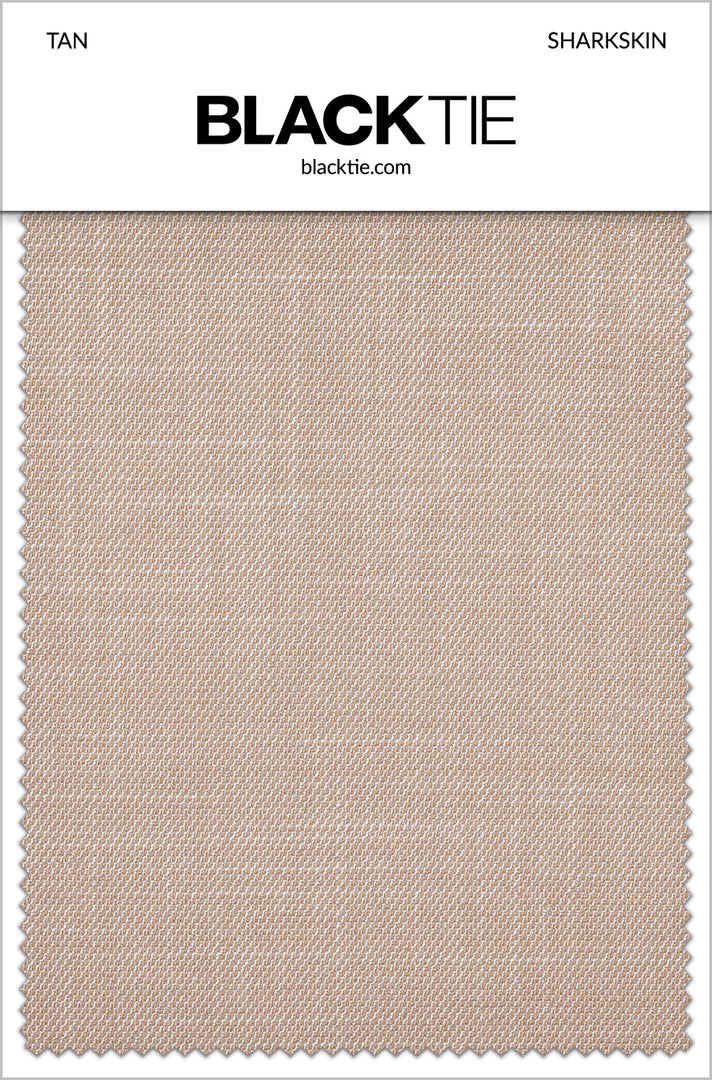
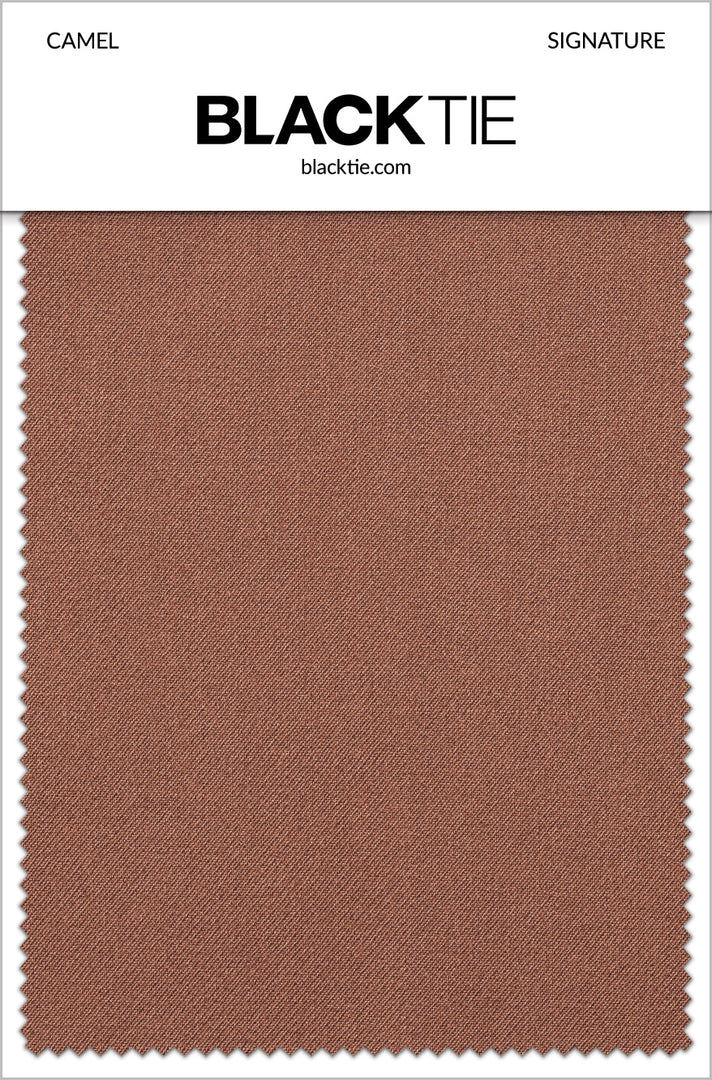
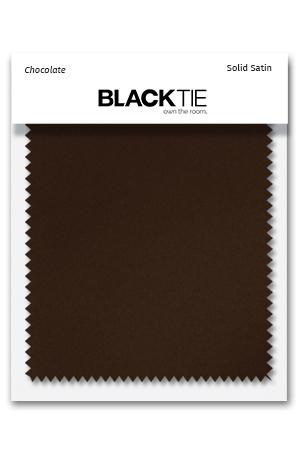
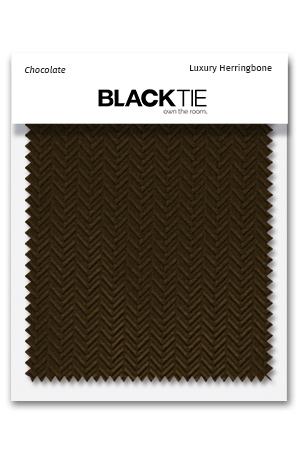
Brown is a broad family of colors, and subtle differences matter when fabrics are placed together. Chocolate suiting, cognac satin, and a lighter camel cloth each create a different effect. This collection includes samples from garment and accessory ranges such as Metro, Savoy, Signature, Luxury Satin, Herringbone, and Tapestry. Select samples for the specific products you are considering rather than assuming one brown represents the entire palette.
Separate Shade from Fabric Finish
A color can appear deeper or brighter depending on its weave and sheen. Satin reflects light differently from matte suiting, while a patterned sample can contain several tones. Assess those characteristics alongside the shade name, particularly when coordinating clothing from different ranges.
Use the brown formalwear hub to identify which parts of the outfit need to work together. You may want a close match between jacket and trousers but a deliberate contrast in neckwear. Knowing the purpose of each comparison makes the sample selection more useful.
Use the Correct Sample for Separates
If you are planning a matching suit, begin with the actual jacket and its recommended trousers. Browse brown suit separates and check which sample corresponds to the fabric. A chocolate accessory swatch does not establish a match for every chocolate jacket.
For a waistcoat, compare brown vests and confirm whether it belongs to the same suiting range or is intended as a contrasting accessory. Similar names such as cocoa, camel, and tan are not a substitute for checking the product relationship. A matching outfit depends on the cloth as well as the color.
Compare Under More Than One Light
Look at samples in daylight and in indoor lighting similar to the venue. Warm lighting can alter how brown and neutral fabrics appear together. Turn the material to see its surface response, and compare the samples side by side instead of relying on memory.
Place the sample near the shirt, dress fabric, or other material that matters to your plan. A brown that looks neutral alone may appear redder, cooler, or lighter beside another textile. For a wedding, bring the relevant references together before settling on a close match.
Coordinate Accessories with Confidence
Where available, samples can help you choose between fabrics used in brown bow ties, brown neckties, and other accessories. Check the finished products separately to confirm which items are offered in the selected range.
A sample is useful for deciding whether you want identical material or a complementary texture. A restrained woven tie and a smoother pocket square can relate without being duplicates. Keep a record of the exact fabric names so the final order follows the comparison you made.
Know the Limits of a Small Sample
A swatch shows a portion of the textile. It cannot establish the fit of a jacket, the construction of a vest, or the full placement of a large pattern. Review the product photographs and specifications alongside the sample, and allow for a fitting when choosing finished garments.
Check each swatch listing for price, size, contents, and other details. Do not assume that all samples are free, identical in size, or available under the same conditions. Ordering a sample also does not reserve finished products or guarantee that all required sizes will remain available.
Turn the Comparison into an Order Plan
Once you have selected the fabric, list the exact garments and accessories needed for each wearer. For group orders, share the product names rather than only a broad color description. Check availability and timing before making final commitments.
Compare brown pocket squares or other finishing pieces against the chosen sample and shirt before completing the outfit. The aim is a coherent palette that works in person, not a collection of items whose names happen to sound similar. Swatches help make that distinction clear before you order the finished look.