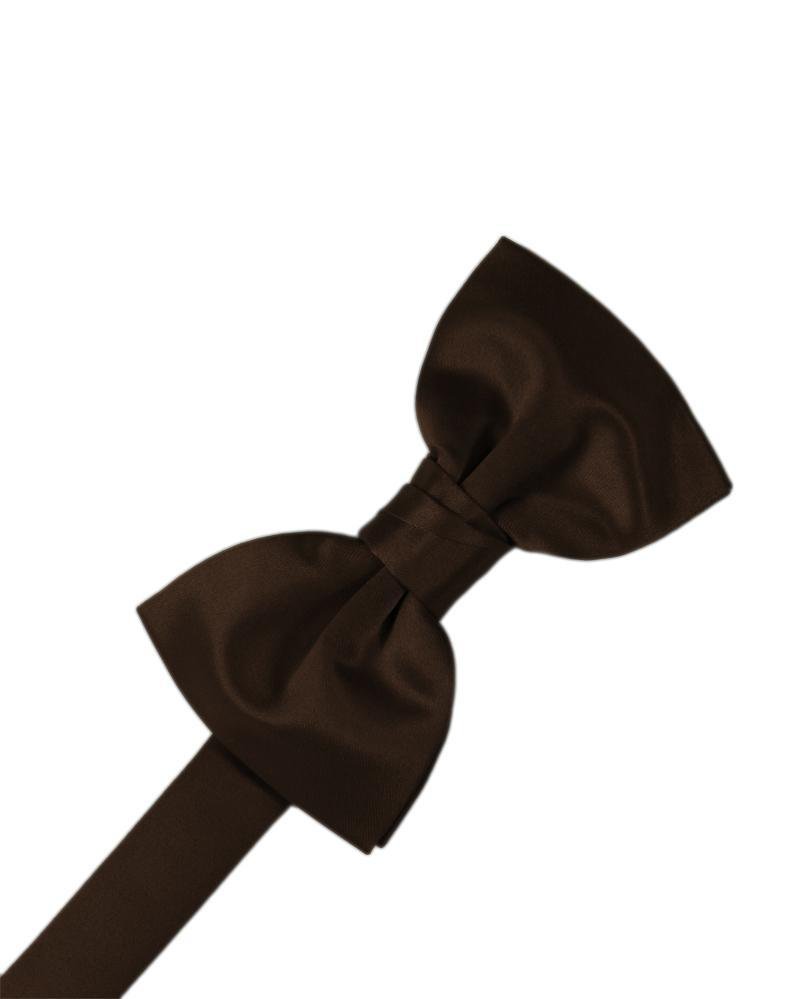
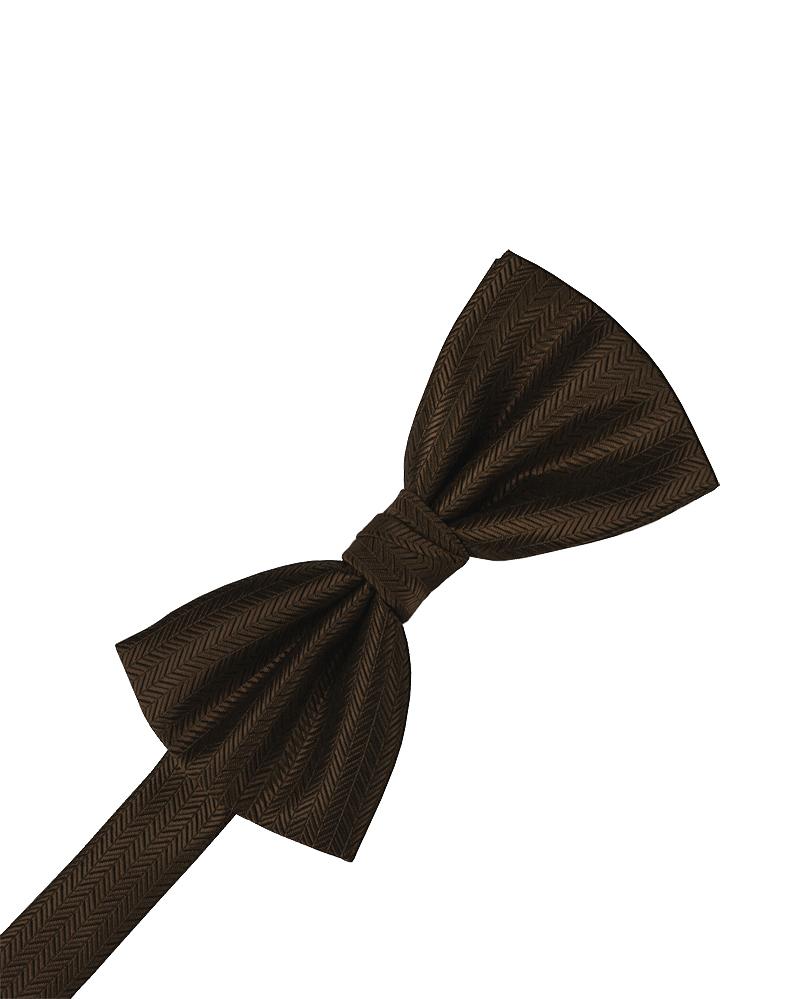
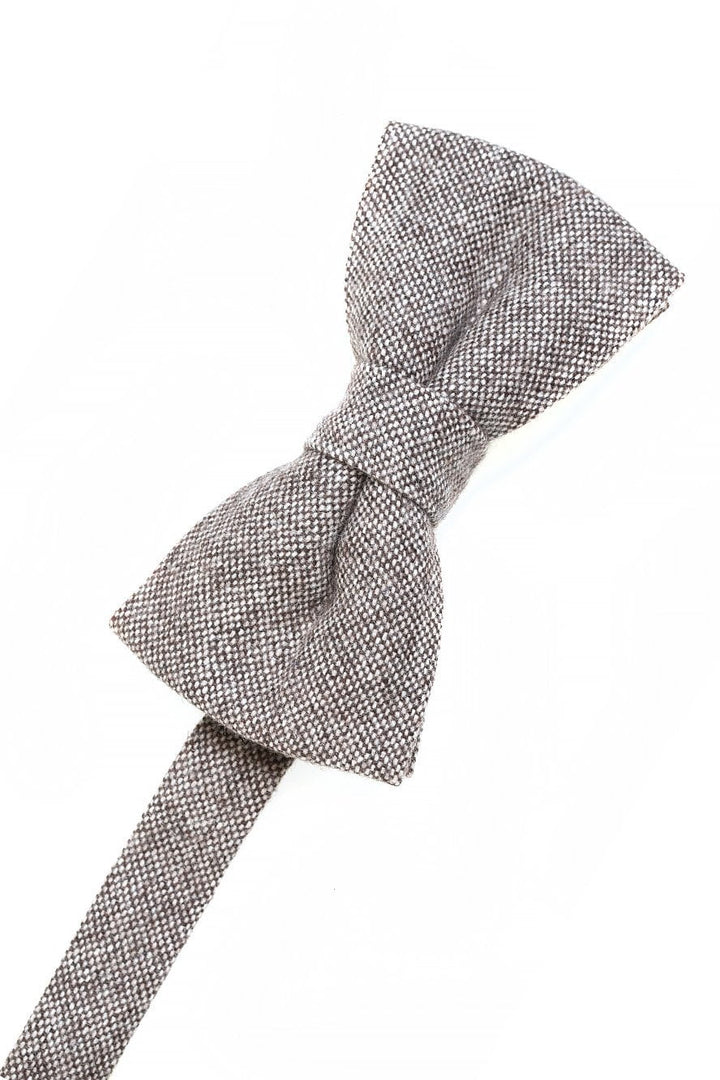
Brown Bow Ties
A brown bow tie can introduce an earthy accent to a neutral suit or reinforce a warm wedding palette. The collection ranges from chocolate and espresso to softer latte and tan, with designs including Luxury Satin, Herringbone, Tapestry, knit, tweed, and floral options. The choice is not simply light brown versus dark brown: texture, proportion, and the surrounding clothing all influence the finished effect.
Choose Brown for the Right Occasion
Brown bow ties can suit weddings, celebrations, and creative formal outfits where the dress code allows colored neckwear. A restrained shade against a pale shirt can feel understated, while a textured or floral design makes a more individual statement. Begin with the invitation rather than a color preference alone.
For conventional black tie, black neckwear is the usual starting point. Compare black bow ties if that is the expectation. A brown bow tie is an intentional alternative, and the rest of the outfit should make that choice feel coherent.
Chocolate, Cognac, and Lighter Neutrals
Chocolate and espresso create deeper contrast against white or cream. Cognac introduces a warmer note, while latte and tan can create a softer relationship with the shirt. These names describe broad visual directions; actual shades vary between fabric ranges.
Compare the bow tie with your jacket and any wedding reference fabric. A color that looks ideal alone may be too close to the shirt or noticeably different from a vest. Explore the brown formalwear hub for a wider view of the palette and use brown fabric swatches where the relevant sample is available.
Let Texture Support the Outfit
Satin, herringbone, knit, tweed, and patterned designs create different levels of shine and detail. A quieter suit can accommodate a more visible bow-tie texture, while a patterned jacket often benefits from simpler neckwear. Read each product’s composition rather than inferring material from the color family.
For a warm wedding palette, texture can be useful without adding more colors. A woven brown bow tie may relate well to a textured jacket, while a smoother option can sharpen the contrast. Avoid making the jacket, vest, bow tie, and pocket square equally busy; choose where the main visual interest belongs.
Construction and Size Deserve Attention
Check whether the individual bow tie is self-tie, pre-tied, banded, or another construction, along with its neck-size range and dimensions. The collection contains different designs, so one item’s fastening details should not be assumed to apply to another.
Try the bow tie with the actual shirt collar. Its width and shape should sit comfortably in proportion to your face and the jacket lapels. Give yourself time to practice the knot if required, and check that the band does not feel restrictive when the collar is fastened.
Coordinate the Vest and Pocket Square
A brown vest can connect the neckwear to the rest of the outfit, but a close match should be checked by fabric range rather than name alone. A contrasting waistcoat can also work if the relationship is deliberate and appropriate for the occasion.
Compare brown pocket squares for a supporting detail. The square may share one color or a similar texture without duplicating the bow tie. If the jacket is already brown, a little contrast at the breast pocket can help the outfit remain visually defined.
Make Group Styling Easy to Repeat
For a wedding party, select the precise bow tie design and record the shade, construction, and dimensions. Check current availability before asking everyone to order. This is more reliable than a general instruction to find a brown bow tie.
Try the complete outfit with brown suit separates or the jacket you have chosen. If a necktie better suits the event or your preference, compare brown neckties. The goal is a balanced combination that feels appropriate to the occasion, with the bow tie acting as a considered finishing detail.
Questions to Settle Before Ordering
For brown, compare the warmth of the chosen shade with nearby tan, cream and darker accessories. These related neutrals can coordinate beautifully, but a deliberate difference in depth is often clearer than an accidental near-match between unrelated materials.
How far ahead should I practice wearing the bow? Try the selected bow with its actual collar well before the event, especially if the construction is unfamiliar. If it requires tying, allow time to practice rather than relying on a first attempt just before leaving. Check the adjustment or fastening method described for that product. The aim is a secure, comfortable result that keeps its shape while you turn your head and move normally, without repeatedly pulling at the collar.
What should I record for coordinated group orders? Keep the exact style, shade and material family in one shared list, together with any size or fastening requirements. A general instruction to buy a similar color can produce noticeably different surfaces and proportions. Confirm the current options and quantities for the selected item before finalizing the group plan. If one person will wear a contrasting bow, identify that choice explicitly so it reads as an intentional distinction in photographs.
How should I plan to reuse and store it? Follow the care and storage guidance for the specific material and construction. A decorative or structured bow may need different handling from a conventional fabric self-tie. Before wearing it with another outfit, compare the new collar and lapel proportions rather than assuming the earlier combination carries over unchanged. Keep its identifying information if future coordination matters, since a remembered shade name may not be enough to find a closely related accessory later.