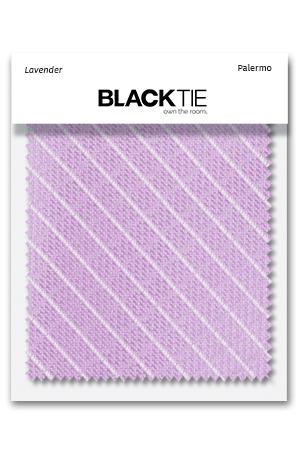
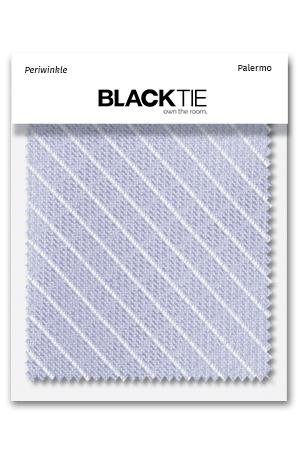
Purple Swatches
Purple is a broad family, and a fabric swatch helps make the differences easier to judge. Lavender and lilac can be light and delicate, while plum, raisin and cassis introduce deeper tones. Texture and sheen also change how a shade appears. Use this collection alongside the Purple Formalwear hub to build a palette from real materials rather than relying entirely on product images.
Compare actual fabric rather than the name alone
A color name is a helpful label, but it is not a universal specification. Purple shades can lean toward blue, red or a more muted grey influence. Two materials called lavender may look noticeably different beside one another, especially when their surfaces reflect light differently. This matters when coordinating outfits for photographs or a wedding party.
Choose samples that correspond to the products you are seriously considering. If the goal is a close match, compare the specific fabric family and item description as well as the shade. A sample from one accessory range should not be treated as a guarantee for an unrelated jacket or another manufacturer’s fabric.
Explore purple accessory fabrics
The collection includes purple directions across Satin, Herringbone, Tapestry, Palermo, Venetian and other styles. Shades such as periwinkle, heather, wisteria, amethyst, freesia and sangria provide several routes through the palette. Read the swatch listing to understand exactly which material and color it represents.
When planning neckwear and waist accessories, compare the relevant sample with purple bow ties, purple neckties and purple cummerbunds. Similar-looking accessories may not use identical fabrics. Checking those relationships before ordering a group can help avoid an unintended mix of finishes.
Review suit and jacket fabric samples
Available examples include Lavender Metro and Lavender Stretch, along with Plum Floral Fusion, Purple Aries and Lilac Aries. These offer a different comparison from a small solid accessory fabric because the garment may have a visible pattern or a larger area of color. Confirm the swatch’s association with the exact product you intend to select.
Browse purple men’s suits and purple tuxedo jackets while comparing the samples. A small swatch shows the material, but product photographs remain useful for understanding how a pattern repeats across a full jacket. Use both kinds of information before deciding on the overall effect.
Check the colors in more than one light
Place the samples beside the actual dress, shirt or other fabric you want to coordinate. Look in daylight and under indoor lighting, without relying on a phone photograph as the final judge. Cameras and screens can shift purple toward blue or pink, which is one reason an in-person comparison is valuable.
Consider the background too. A purple fabric may look different against white, black or navy. View it near the jacket and shirt rather than only against a tabletop. For reflective fabrics, change the viewing angle so you can see how highlights affect the apparent depth of the color.
Use samples to organize a wedding palette
Start with the most important established fabric, such as the wedding party’s attire, then compare a manageable shortlist of purples. Decide whether you want an exact-looking match, a related tone or a complementary contrast. Label the samples so their names and fabric families remain clear as you share them with others.
A vest, tie and square do not always need to match perfectly. Compare purple vests and purple pocket squares in the context of the full outfit. One consistent accent can link a group effectively, while a range of coordinated tones can create a softer, less uniform result.
Move from a sample to the finished outfit
A swatch is a color and fabric planning tool; it does not establish garment fit, stock availability or every detail of a finished item. Review the selected product’s current sizes, description and care information separately. Patterns may also appear differently across a larger garment than in the small area represented by a sample.
Keep the selected sample and its identifying information until the outfit is complete. Compare the actual pieces when they arrive and try them together before the event. By combining physical fabric checks with product details and a full outfit review, you can make a more confident purple color choice without expecting a screen image to answer every question.