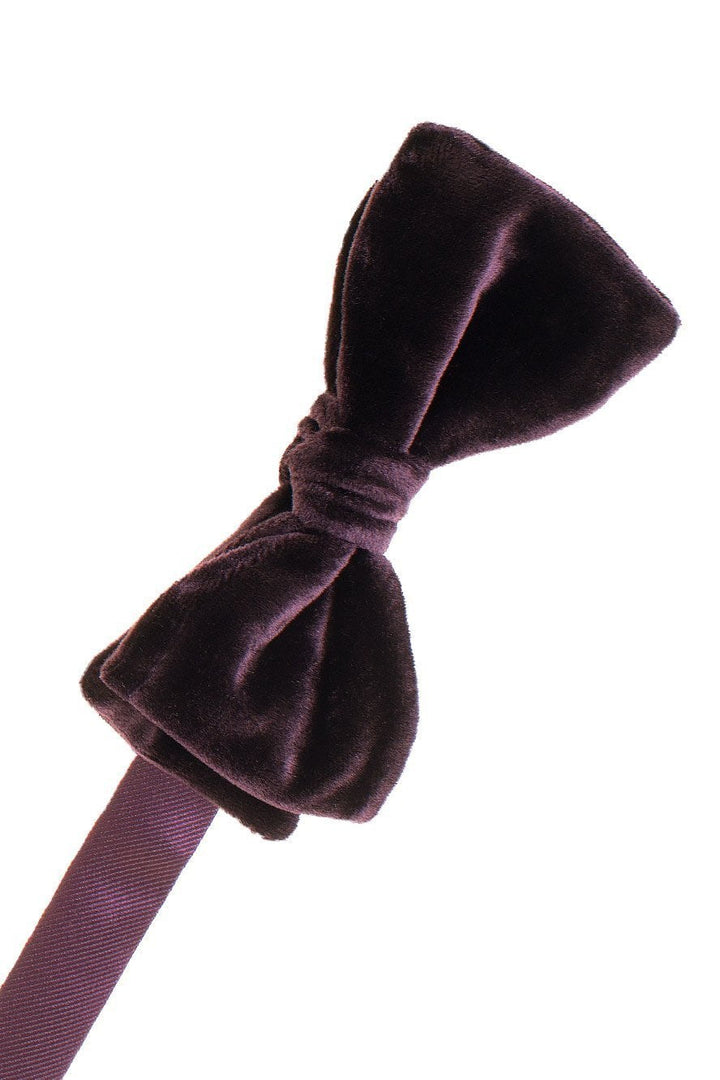
Purple Bow Ties
A purple bow tie can be a small accent with a strong point of view. Pale lavender creates a gentle contrast against a white shirt, while plum and aubergine add depth beside black tailoring. This collection brings together several purple directions, from familiar satin styles to velvet, knit and floral designs. Explore the wider Purple Formalwear hub when you want to compare neckwear with the rest of your outfit.
Choose the purple that suits your palette
Purple includes cool, blue-leaning shades and warmer tones with a red influence. Periwinkle and wisteria can feel quite different from sangria, cassis or raisin, even when all belong to the same broad color family. Start with the actual garment or fabric you want to complement, then narrow your bow tie choice by depth, warmth and finish.
For a wedding party, decide whether the tie should match a dress closely or simply belong to the same palette. A deliberate tonal combination often looks more considered than two almost-matching fabrics. When an exact relationship matters, compare purple fabric swatches with your other materials before choosing accessories for the whole group.
Compare solids, velvet and patterned designs
The selection includes Satin, Tapestry, Herringbone, Palermo, Venetian and Striped styles, giving you several ways to introduce purple without changing the overall outfit. A solid can keep attention on the jacket, while a subtle woven pattern adds interest at closer range. Product details are the best place to confirm the actual fabric composition and construction.
For a more expressive accent, explore examples such as Luxor Plum or Aubergine Velvet, purple or wisteria silk knit, and floral designs including Twilight or Lilac. These options create different effects under evening lighting. Avoid assuming that a patterned tie will read as a solid purple from every distance; look at both close-up images and the overall design.
Style a purple bow tie with your jacket
Black tailoring gives purple a clear, high-contrast setting. Navy can make lighter purples feel softer, while grey offers a neutral backdrop for both pale and deeper shades. If you are wearing one of our purple tuxedo jackets, consider whether repeating the jacket color at the neck will enhance the outfit or make it feel too uniform.
With a floral or paisley jacket, a quiet solid bow tie can help the pattern remain the focal point. With a plain jacket, texture or a controlled print may provide the detail you want. Choose a shirt collar that leaves the bow visible and comfortable, and check the complete combination with the jacket buttoned as well as open.
Coordinate a pocket square and waist accessory
A purple pocket square does not have to be an exact duplicate of the bow tie. A related shade, a patterned square that repeats one purple note, or a simple contrasting fold can make the outfit feel balanced. Keep differences intentional by comparing the two pieces together rather than selecting each in isolation.
If your outfit calls for a waist covering, browse purple cummerbunds or purple vests. For a traditional tuxedo combination, choose the appropriate waist accessory for the jacket and trousers. Check product listings individually; a shared color name alone does not confirm that two accessories use the same fabric.
Plan for weddings, prom and evening events
Purple can support a soft spring wedding palette or a richer evening celebration. Lavender and periwinkle may work well for a lighter mood, while plum or amethyst can provide a stronger accent for prom or a festive reception. The invitation and host’s expectations should guide how creative you become with color and pattern.
A colored bow tie is not a universal substitute for the conventional black bow tie at a strict black-tie event. When the dress code is specific, follow it. For events with more flexibility, compare purple neckties as well; changing the neckwear shape can alter the feel of the same jacket and shirt.
Check the details before you order
Review each bow tie’s fastening style, dimensions and neck-size guidance before selecting it. Do not assume every design is self-tie, pre-tied or adjustable in the same way. The bow should sit comfortably under the collar and look proportional to your face, lapels and overall silhouette.
For group orders, confirm the required quantities and selected styles before finalizing the plan. Try the complete outfit early enough to adjust the shirt, jacket or accessory choice if needed. A well-chosen purple bow tie works best when its shade, texture and scale all support the person wearing it.
Questions to Settle Before Ordering
For purple, compare the balance of red and blue in the selected fabrics. A warm plum and a cool lilac may be deliberately complementary, but they should not be mistaken for exact matches. Texture can add depth without requiring another strong color.
How far ahead should I practice wearing the bow? Try the selected bow with its actual collar well before the event, especially if the construction is unfamiliar. If it requires tying, allow time to practice rather than relying on a first attempt just before leaving. Check the adjustment or fastening method described for that product. The aim is a secure, comfortable result that keeps its shape while you turn your head and move normally, without repeatedly pulling at the collar.
What should I record for coordinated group orders? Keep the exact style, shade and material family in one shared list, together with any size or fastening requirements. A general instruction to buy a similar color can produce noticeably different surfaces and proportions. Confirm the current options and quantities for the selected item before finalizing the group plan. If one person will wear a contrasting bow, identify that choice explicitly so it reads as an intentional distinction in photographs.
How should I plan to reuse and store it? Follow the care and storage guidance for the specific material and construction. A decorative or structured bow may need different handling from a conventional fabric self-tie. Before wearing it with another outfit, compare the new collar and lapel proportions rather than assuming the earlier combination carries over unchanged. Keep its identifying information if future coordination matters, since a remembered shade name may not be enough to find a closely related accessory later.