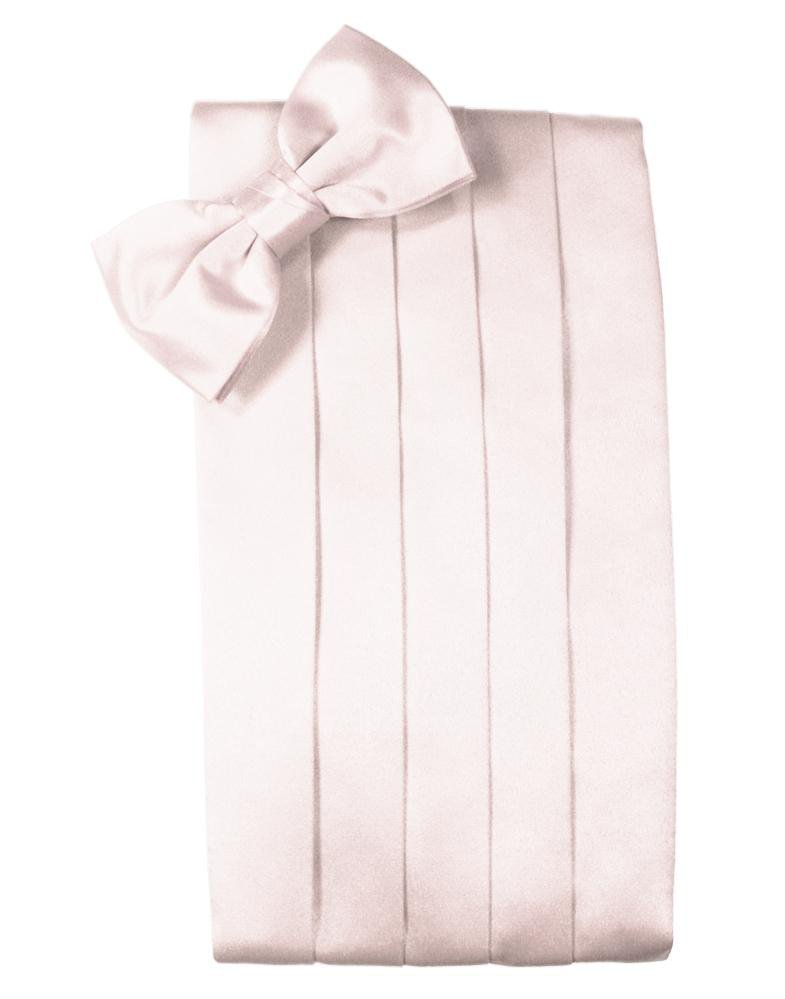
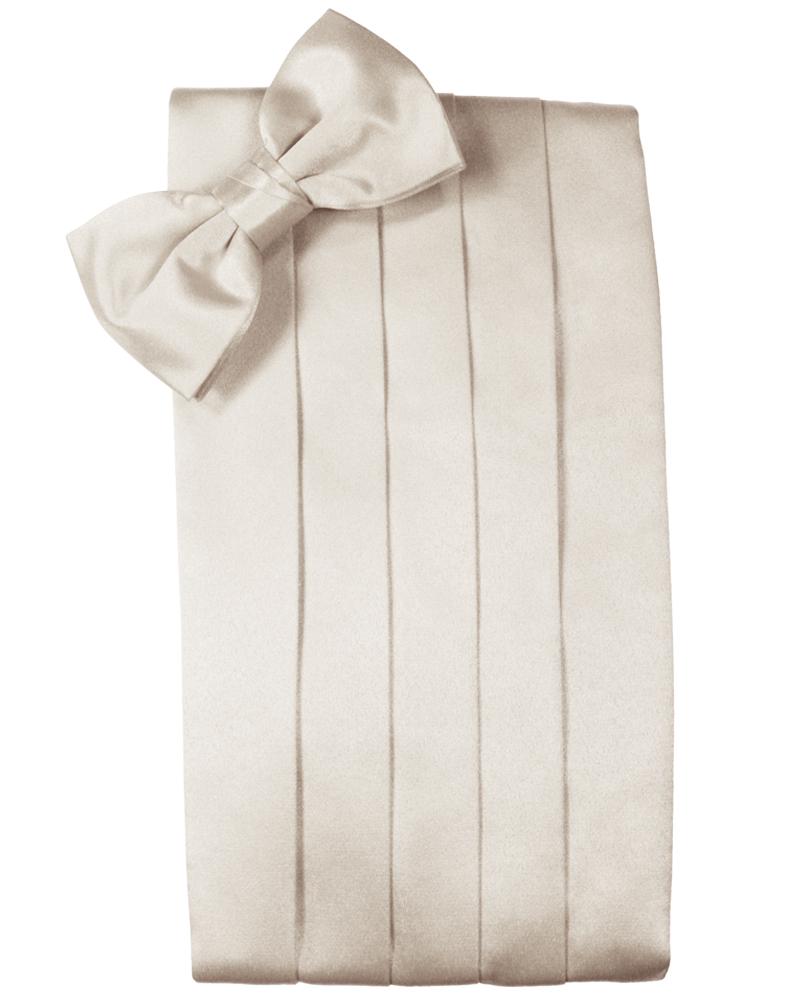
Pink Cummerbunds
A pink cummerbund introduces a visible accent at the waist while finishing the transition between shirt and trousers. Soft blush creates a different impression from vivid fuchsia or watermelon, so choose the amount of color around the whole outfit. The Pink Formalwear hub helps you compare related accessories and decide whether the waist covering should be the main accent or a supporting detail.
Choose the depth of pink deliberately
Blush, Angel, Rose Petal and Frosty Pink provide lighter directions, while Fuchsia, Bubblegum, Watermelon and Guava offer stronger color. Rose brings another option within the family. Compare the actual fabrics against the shirt and trousers, because a small sample does not show how a full band of color will read.
A light cummerbund creates pronounced contrast against dark trousers. A vivid pink also draws attention when the jacket opens. Decide whether that emphasis is part of your styling plan, and keep the other accessories restrained if the waist covering already supplies a substantial statement.
Compare weaves and matching references
Luxury Satin, Herringbone, Tapestry, Venetian, Palermo and Striped Satin appear across the assortment. Each finish affects the color's reflection and texture. Review the individual material, care and fastening details rather than assuming every pink cummerbund has identical construction.
When selecting related neckwear, keep the fabric range in your reference as well as the shade. Blush Satin and Blush Tapestry may coordinate without looking identical. If the goal is an exact set, compare the corresponding products; if contrast is intentional, make the difference in texture or depth clear.
Let the event determine the formal direction
A colored cummerbund can suit a wedding or celebration that welcomes a personal palette. For conventional black tie, a black cummerbund is the traditional starting point when that waist covering is appropriate. Confirm the invitation's requirements before allowing a color theme to determine the whole ensemble.
With pink tuxedo jackets, consider whether the jacket already carries enough color and pattern. A quieter waist covering may be more effective. With a simple dark jacket, a pink band can instead provide the principal accent if the event's dress direction allows it.
Coordinate collar and pocket accents
Explore pink bow ties for a related color at the neckline. The bow tie can match the material or provide a deliberate tonal variation. Check what each product includes, since a cummerbund pictured alongside neckwear may still be sold separately.
A pink pocket square can repeat one small tone, or a neutral square can keep the combination simpler. If the bow tie and cummerbund already share a vivid color, the pocket detail does not need to be equally strong. Choose a clear hierarchy rather than matching every accessory automatically.
Check position and comfort
The cummerbund should sit neatly at the waist over the shirt-and-trouser transition. Traditional pleated styles are generally worn with the pleats facing upward. Read the specific adjustment range and fastening details, then try it with the actual outfit so that the position and comfort can be assessed accurately.
Sit and move as well as standing still. A vest and cummerbund generally serve alternative waist-covering roles, so choose the one appropriate to the jacket and event. If a waistcoat better suits the plan, compare pink vests rather than assuming both pieces should be worn together.
Plan a consistent wedding-party order
Share the exact shade and fabric family when ordering for a group. Pink, blush and rose are broad terms that can lead to visibly different results if everyone chooses independently. Confirm the adjustment needs of each wearer and the current availability of the chosen style before finalizing the accessory plan.
Where offered, pink fabric swatches help compare the appropriate material with wedding references and existing garments. View the fabrics under consistent lighting and try the full outfit before the event. A successful combination gives you a neat waistline and a pink accent that feels deliberate rather than added as an afterthought.
Questions to Settle Before Ordering
For pink, distinguish a soft pale accent from a deeper, more saturated statement before selecting supporting pieces. Both can belong to the same family while requiring different levels of contrast. Compare the chosen material with the shirt and event palette together.
What should I check during a seated fitting? Wear the intended trousers and shirt, then sit in a chair similar to the position you will use at dinner. Check that the fastening remains comfortable and the accessory does not ride up or expose an unintended gap at the waistband. Stand again to assess whether it returns to a neat position. This simple test can reveal fit issues that are easy to miss when the cummerbund is adjusted only while standing still.
How should I coordinate more than one wearer? Record the exact fabric family and shade alongside the bow tie selected for the group. Check the cummerbund’s stated size range for each wearer instead of assuming one adjustment range suits everyone. Review the available options before finalizing the plan. If a member of the group needs another suitable waist treatment, coordinate it deliberately with the jacket and dress code rather than forcing an uncomfortable fit for visual consistency.
What should I check before using it again? Follow the specific care and storage instructions, then reassess the fit with the trousers selected for the new event. A different waistband height can change coverage even if your measurements have not changed. Compare the material with any new bow tie or jacket as well. Keeping the accessory’s product information makes later coordination easier and avoids relying on a general remembered color when the exact fabric relationship matters.