Orange Cummerbunds
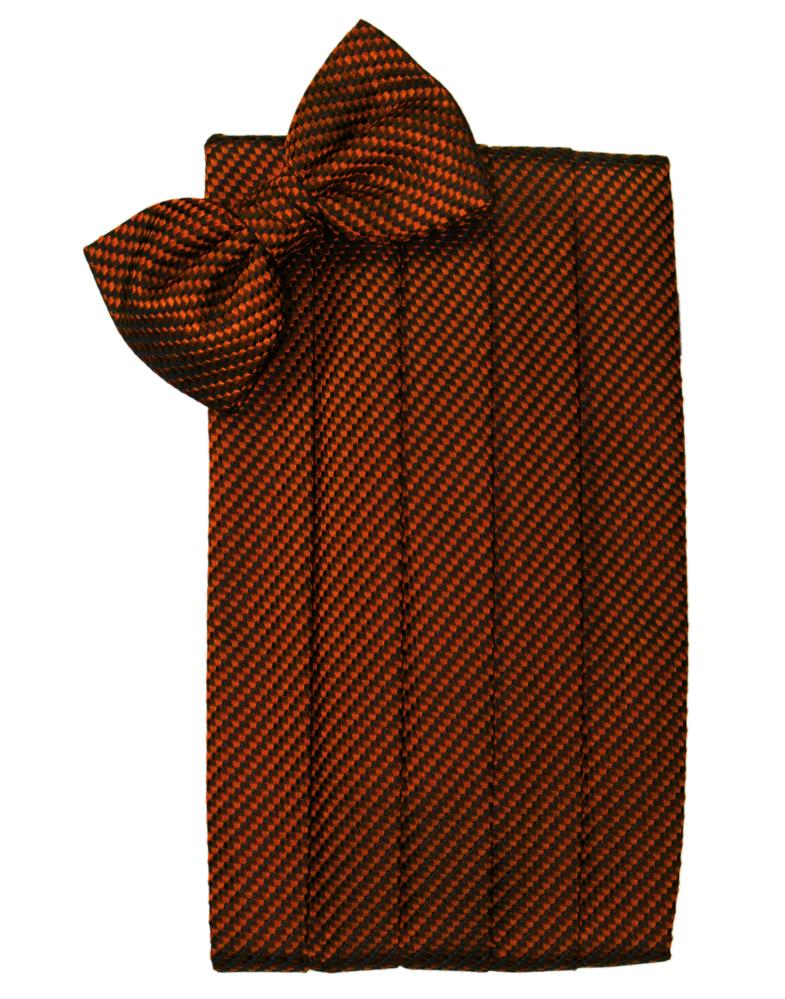
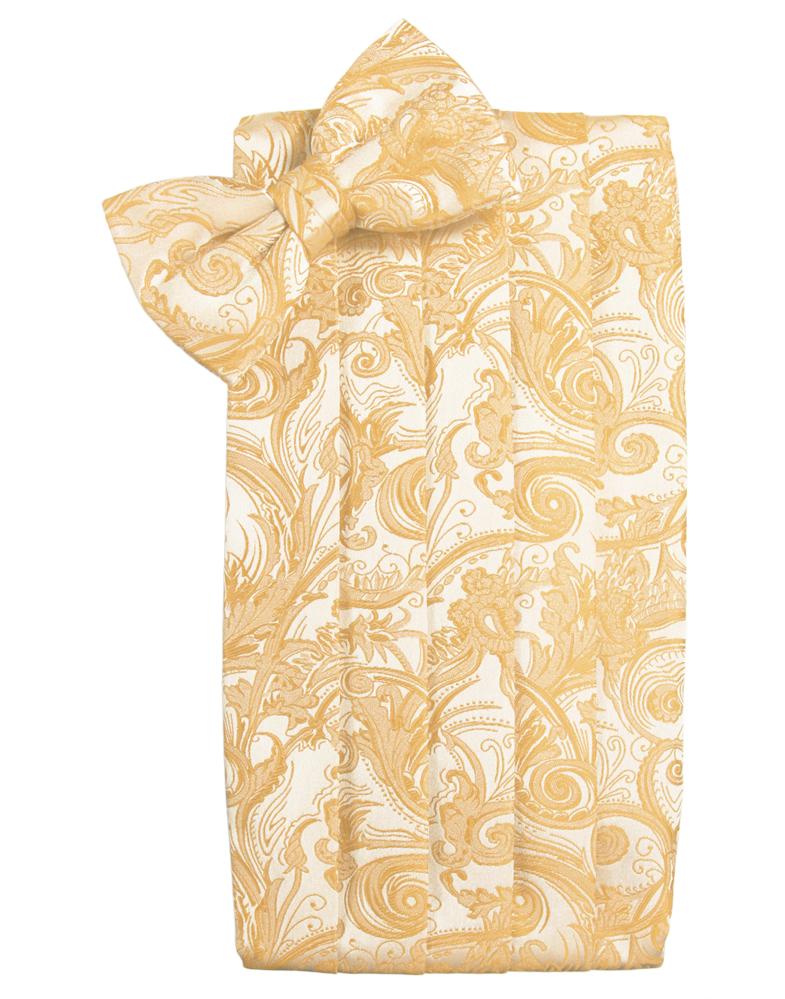
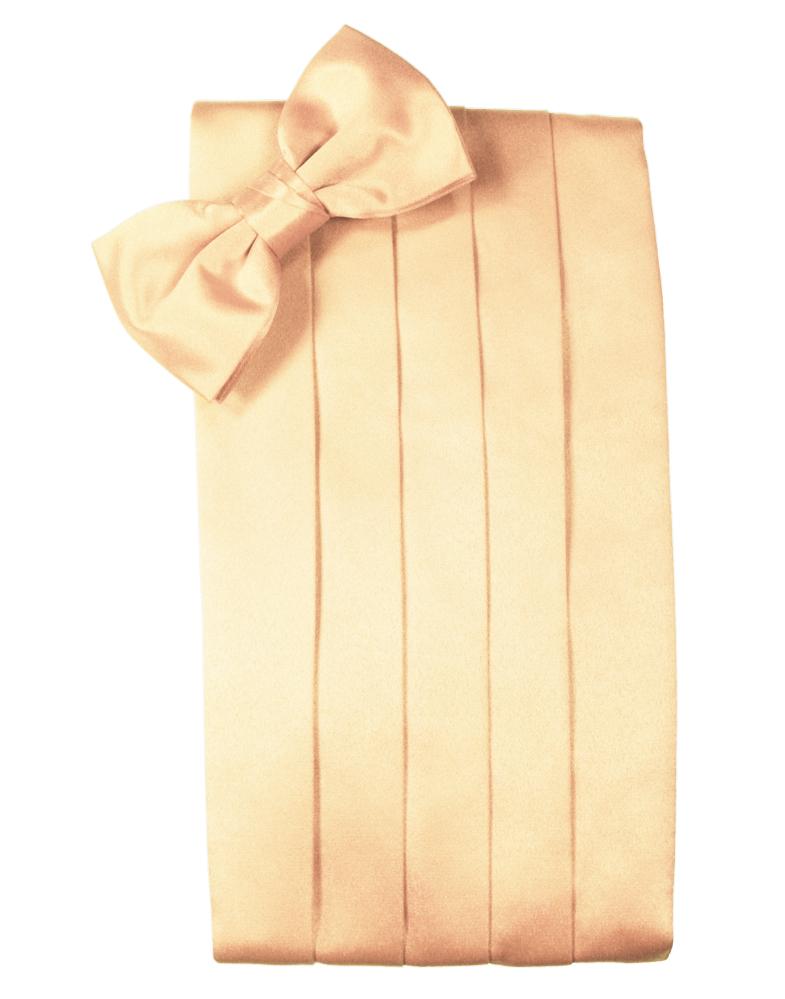
An orange cummerbund can bring a wedding or celebration color into an otherwise dark formal outfit. The family includes softer peach and coral as well as brighter mandarin and deeper cinnamon directions. Choose the amount of contrast intentionally, since the band creates a noticeable area of color at the waist. Use the Orange Formalwear hub to compare the related accessories before settling the complete combination.
Choose the appropriate orange-family shade
Peach and apricot can create a softer waist accent, while coral and Coral Reef bring another warm direction. Mandarin and tangerine are more vivid options. Cinnamon and Autumn Venetian offer earthier alternatives. Compare the actual fabrics with the jacket and shirt rather than assuming one broad orange label describes the intended look.
The trousers form the background for the lower edge of the band, so their color also matters. A pale or bright cummerbund will stand out strongly against dark trousers. Decide whether that contrast is part of the outfit's design, and keep the surrounding accessories quieter if the waist is already a focal point.
Compare the fabric families
Luxury Satin, Tapestry, Herringbone, Palermo, Venetian and Striped Satin designs appear across the collection. These give similar shades different surface details. A smooth finish can emphasize color and reflection, while a patterned weave can add interest in a subtler way. Read the individual composition and care information for the selected style.
When matching a bow tie, keep the fabric range in your reference as well as the shade. Coral Herringbone and Coral Satin may coordinate without appearing identical. If you want a deliberate contrast, make it clear; if you want a matching set, compare the relevant products and physical samples where possible.
Let the dress code guide the ensemble
Colored waist accessories are best chosen for events that allow that personal interpretation. For traditional black tie, a black cummerbund is the conventional starting point when a cummerbund suits the ensemble. A wedding palette should not automatically override the invitation's stated requirements.
With orange tuxedo jackets, consider whether the jacket already supplies enough color or pattern. A quieter waist covering may support it better than another strong orange element. With a simple dark jacket, the cummerbund can instead provide the principal warm accent if the occasion welcomes it.
Coordinate collar and pocket details
Browse orange bow ties to compare related shades at the neckline. An exact matching fabric is one option; a clear difference in depth is another. Check what the listing includes before ordering, since a pictured bow tie or other accessory may be sold separately.
An orange pocket square can repeat a small accent without duplicating the full combination. You can also choose a neutral square to leave the bow tie and cummerbund as the color statement. Avoid adding pattern at every point when the outfit already has several strong details.
Check placement and adjustment
A cummerbund covers the transition between shirt and trousers and should sit neatly at the waist. Traditional pleated styles are generally worn with the pleats facing upward. Review the product's adjustment range and fastening, then try it with the actual shirt and trousers rather than estimating fit over unrelated clothing.
Sit, stand and move to make sure the band remains comfortable and in position. A vest and cummerbund generally serve alternative waist-covering roles. If you prefer a vest, compare orange vests and choose the option that works with the jacket and event instead of combining both automatically.
Prepare a consistent wedding-party order
For coordinated groups, share the exact shade and fabric family before anyone purchases. Peach, coral and apricot can look quite different together, even when all were intended as a soft orange accent. Check the adjustment needs of each wearer and confirm current availability for the chosen design.
Use orange swatches for the corresponding material where offered. Compare it with dresses or other wedding fabrics under consistent lighting, then try the complete outfit. The final result should be a neat waistline and a coherent palette that supports the celebration rather than competing with the rest of the clothing.