Grey Bow Ties
Grey bow ties can be understated or expressive depending on the fabric and the outfit around them. A silver satin design makes a different impression from charcoal tweed, while a floral bow tie can connect several colors in a wedding palette. Start with the event and your jacket, then choose the amount of contrast you want at the collar. Our Grey Formalwear guide helps bring those decisions together.
Compare grey, silver and charcoal
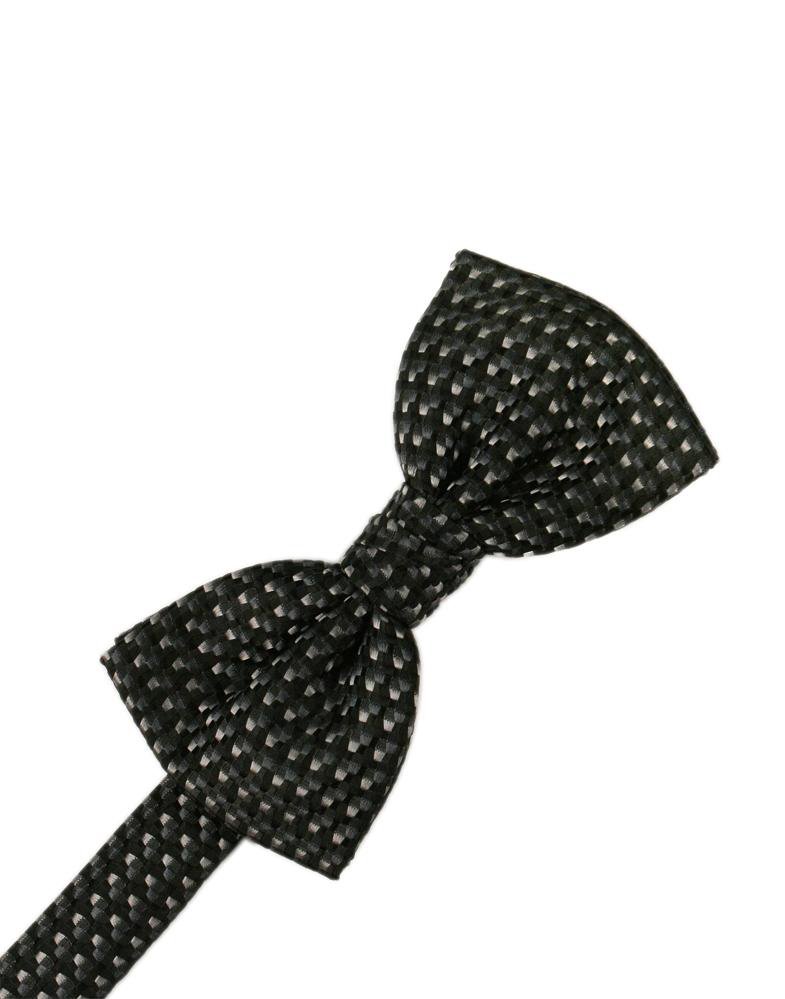
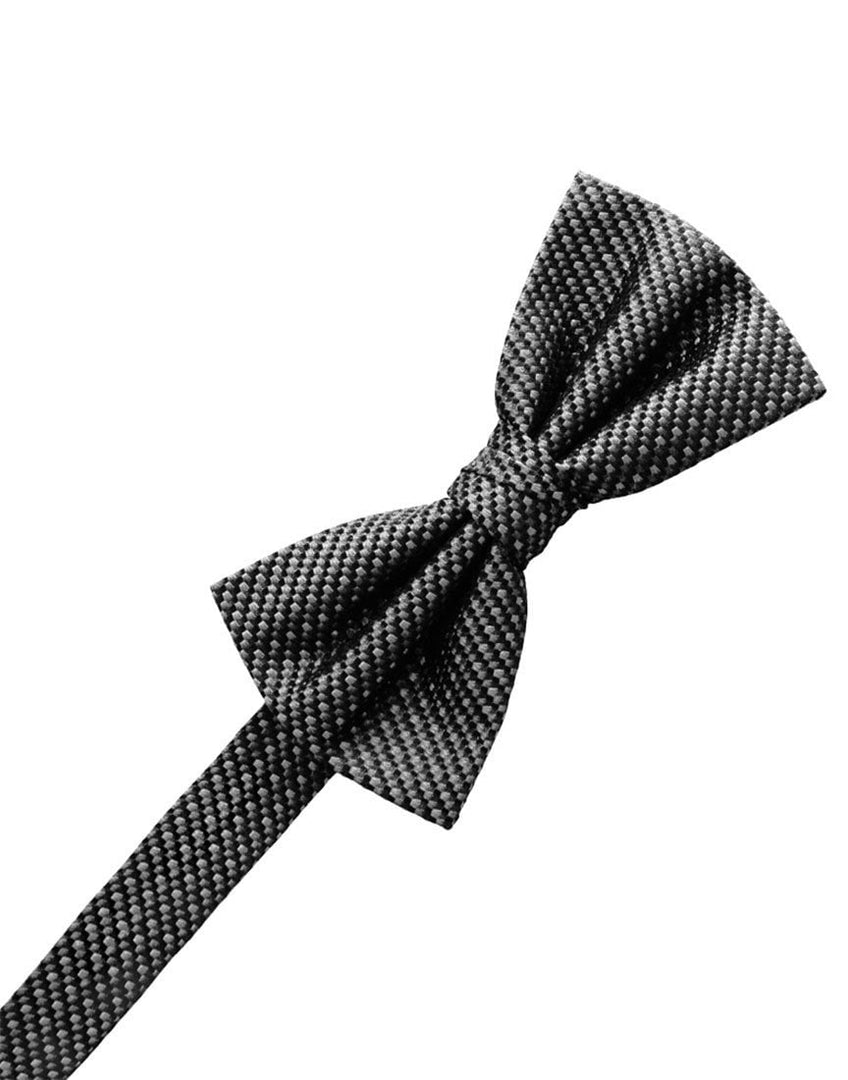
Light silver and platinum tones can stand out against a dark jacket while keeping the palette neutral. Charcoal creates a deeper accent, particularly against a white shirt. Pewter and asphalt sit in a different part of the family, so compare the actual product photographs rather than treating every grey as interchangeable.
Remember that a color name does not tell you the finish. Silver may describe the shade of a woven fabric rather than a metallic surface. Review the individual listing to understand the material, texture and shape before deciding whether the bow tie suits the level of formality you need.
Choose a texture that supports the jacket
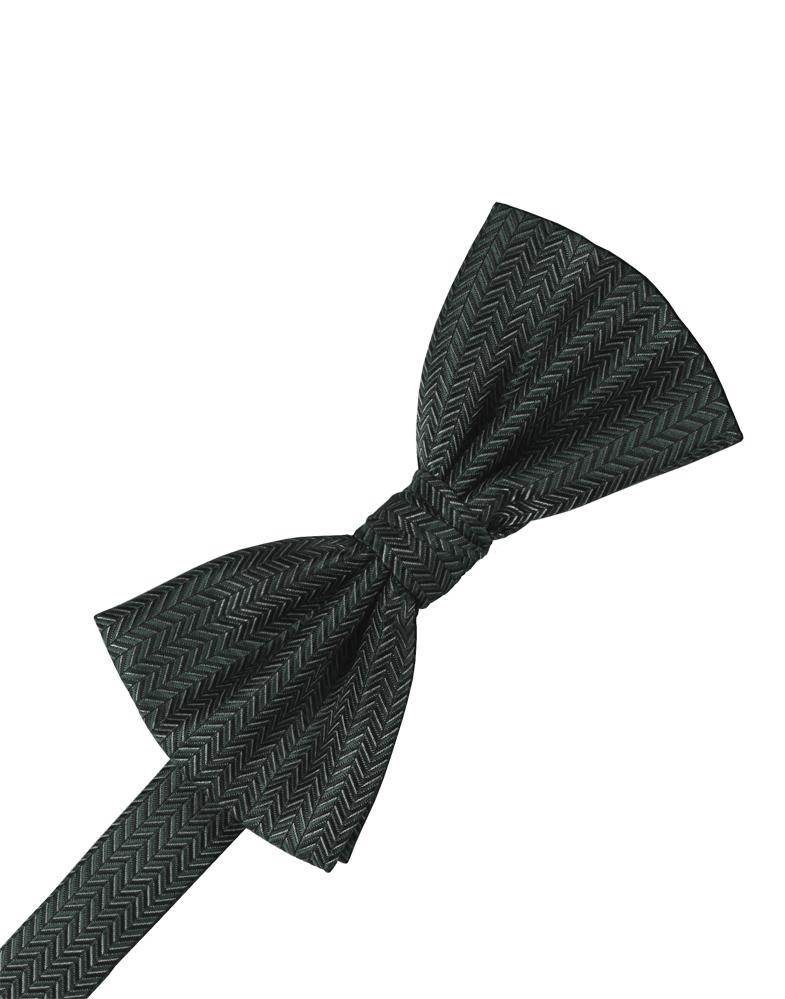
The assortment includes Satin, Tapestry, Herringbone, Palermo and Venetian styles, along with options such as Silver Noble Silk, Faille Silk and Silk Weave. These provide different degrees of visible texture. A quieter finish can balance a patterned jacket; a more noticeable weave can add interest to a simple suit.
For a softer-looking accent, compare Charcoal Tweed, Black & White Tweed and Luxor Grey or Dove Velvet. Light and Dark Grey Textured Leather designs offer a more distinctive direction. Check each product's construction and care information rather than assuming every bow tie in the collection behaves like traditional woven neckwear.
Use patterns to connect the palette
Grey Regal, Madison Plaid and Newton Stripe bring structure through pattern. The Blossom Floral options include Steel, Light Greige, Granite, Dark Greige and Black Shale. A patterned bow tie can repeat a small color from a shirt, flowers or pocket square without requiring every piece to match exactly.
When the jacket already has a strong pattern, keep the bow tie simpler or choose a distinctly different pattern scale. Two small, busy designs placed together can lose their definition. Look at the combination from a few feet away to judge the overall effect, not only in close-up.
Plan wedding and formal combinations
A grey bow tie can sit comfortably within a coordinated wedding party when the exact style is agreed in advance. Pair it with grey vests for a tonal approach or use it as an accent against a darker suit. Allow some contrast at the neckline so the bow retains its shape in photographs.
For a traditional black-tie invitation, black bow ties remain the conventional direction. Grey and silver can suit celebrations that welcome a more personal interpretation, but the invitation should make that decision. Browse grey tuxedos when you are planning the jacket and neckwear together.
Check shape and fastening before buying
Read the individual product details for dimensions, neck-size range and whether the bow tie is pre-tied or self-tie. The appearance in a photograph does not reliably establish the fastening. Choose proportions that work with the shirt collar and jacket lapels instead of selecting only by the color.
Try the bow tie with the shirt buttoned as you will wear it at the event. It should sit comfortably and remain visually balanced beneath the face. For group orders, confirm the appropriate size or adjustment range for each wearer; one shared color choice does not remove the need to check individual fit.
Finish with a coordinated detail
Explore grey pocket squares when you want a related accent at the chest. The square can repeat a tone from the bow tie while using a different pattern or texture. A plain white square is another way to keep a detailed bow tie as the main accessory.
If a precise wedding shade matters, compare grey fabric swatches for the relevant material where offered. View the pieces together in daylight and in the room lighting you expect to use. Finish the choice by checking current availability and the complete outfit, rather than relying on a screen image alone.