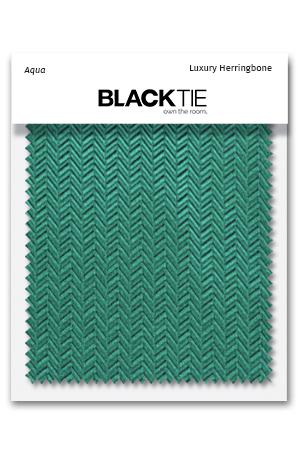
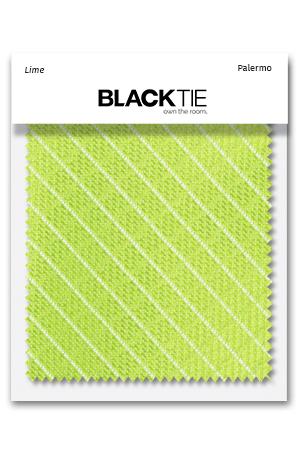
Green Swatches
Green includes a wide range of undertones and depths, from soft sage to blue-green teal and deeper hunter shades. A fabric swatch helps you compare those differences in person rather than relying only on a screen. Choose the material that corresponds to the garment or accessory you are considering. The Green Formalwear guide helps connect the samples with the broader outfit you want to create.
Compare muted, bright and deep greens
Sage, fern, mint and moss can create very different soft-green palettes. Hunter, holly and jade offer richer directions, while lime, clover and Kelly bring more brightness. Teal, aqua and Sea Glass move toward blue-green. Place the samples beside one another to judge both their depth and their undertone.
A color name is a useful reference, but not a universal standard across fabric ranges. Two sage products can differ in sheen or warmth. Compare the sample with the other actual materials you intend to use, especially when coordinating a wedding outfit with a dress, jacket or existing accessory.
Choose the appropriate accessory fabric
The assortment includes Luxury Satin, Herringbone, Tapestry, Venetian, Palermo and Striped Satin samples in various greens. Each finish affects how the color appears. A smoother fabric can reflect light strongly, while a textured weave may add detail without the same visual shine.
Use the corresponding sample when comparing green bow ties, green neckties and green vests. Keep both the shade and fabric family in your notes. Matching only the word hunter or mint does not confirm that two finished accessories will look identical.
Review tailoring and evening materials
Green Signature, Hunter Green Stretch, Olive Metro and Sage Metro provide tailoring directions to compare. Confirm the garment connection on the individual listing before using a sample to choose green men’s suits. A swatch from one range cannot establish a match with a different suit collection.
For expressive eveningwear, the selection includes Sage Floral Fusion, Evergreen Luxor, Waterfall Aries and Forest Green Aries fabrics. Review them alongside the corresponding green tuxedo jackets. The swatch shows material and color, while the full garment image helps explain the pattern scale and overall silhouette.
Test the palette in different lighting
View the samples in natural light and in the indoor lighting most relevant to the event. A green can appear more yellow, blue, bright or muted as the surroundings change. Comparing fabrics together under the same conditions is more useful than remembering how each looked in a different room.
Photographing a sample can help you discuss a general direction, but the camera and the recipient's screen may shift the color. Keep the physical sample as the main reference when a close match matters. For a wedding party, share the exact fabric name as well as any photograph.
Decide what should match and what should coordinate
A matching suit requires the appropriate coordinating cloth, while accessories can relate more loosely. A tie might repeat the green of a vest but use another texture, or a pocket square might pick up only a small accent. Decide which relationships need to be exact before ordering several samples.
Explore green pocket squares and green cummerbunds once the main palette is settled. Avoid adding every accessory simply because a sample exists in the same shade. The strongest combination often uses a few clear connections and leaves the shirt or footwear neutral.
Move from sample to complete outfit
Check the sample description, including the material it represents and any stated dimensions. A small swatch may show only part of a large pattern. It also cannot demonstrate garment fit or construction, so review the complete product page before selecting sizes and placing the final order.
Confirm current availability for the clothing and accessories after choosing the fabric. For group outfits, keep a shared reference to the exact range and shade. Try the finished pieces together with enough time for fit adjustments, using the swatch as a guide to the palette rather than a substitute for checking the complete look.