Gold Neckties
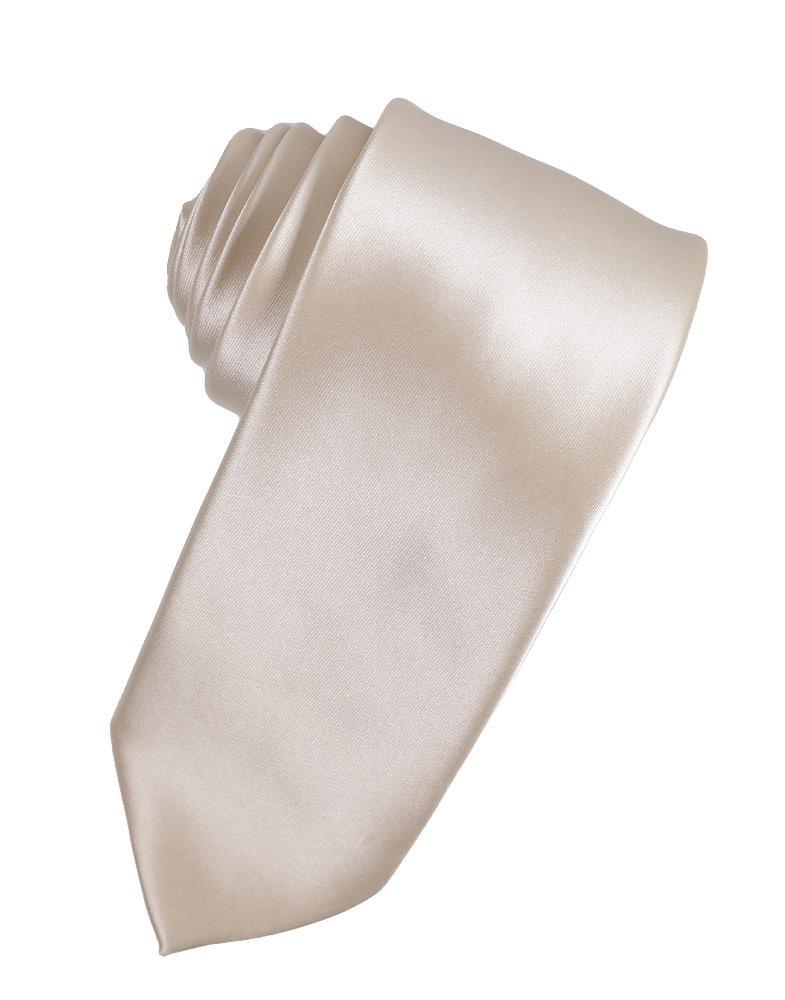
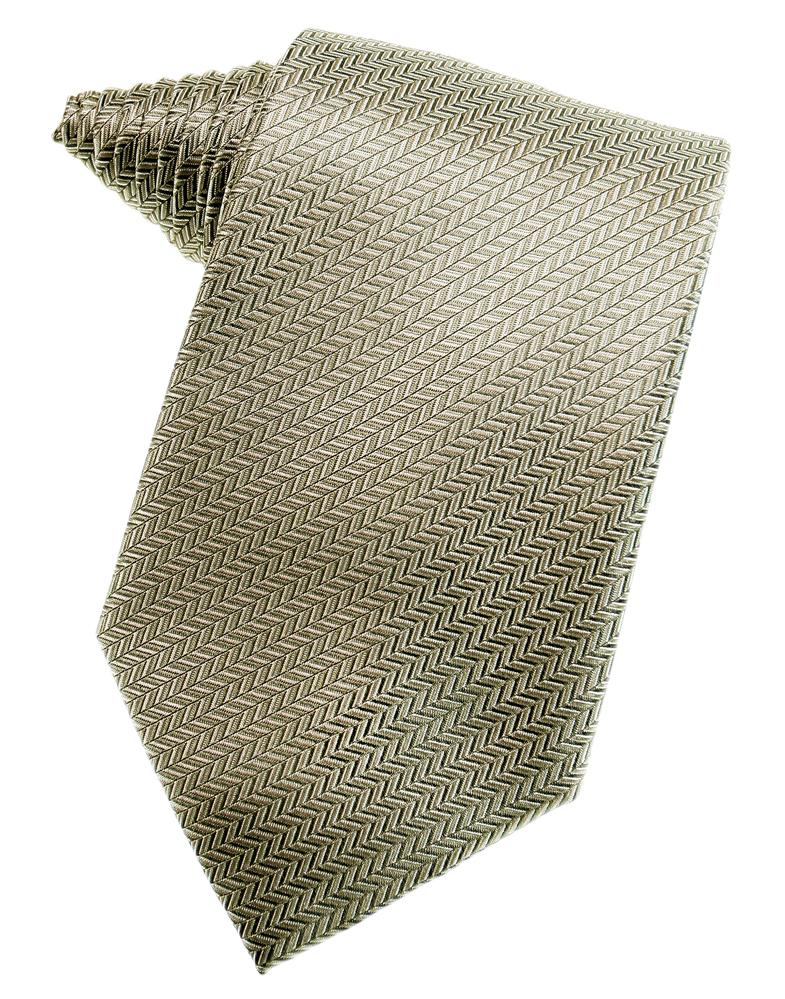
A gold necktie can connect a neutral suit to a wedding palette or add a warmer focal point to tailored clothing. The family ranges from pale champagne to stronger golden and harvest tones, with several different finishes. This collection includes Luxury Satin, Tapestry, Herringbone, Venetian, and other designs. Select the color relationship first, then refine the choice through width, pattern, and fabric.
Gold Against Neutral Tailoring
A dark suit gives gold neckwear a clear background. Navy, grey, and black each create a different relationship with a warm tie, while lighter tailoring can produce a softer effect. Consider the shirt at the same time; its color determines how clearly the tie stands out.
Use the gold formalwear hub when planning the full palette. You do not need a gold suit to create a gold-themed outfit. In many combinations, a necktie and one smaller supporting detail can establish the color direction while the tailoring stays restrained.
Compare Champagne and Golden Tones
Champagne can be subtle and pale, while Golden, New Gold, and Harvest Maize suggest different depths and warmth. These names are specific to design ranges and do not guarantee matches to similarly named fabrics elsewhere. Compare the actual material when the relationship matters.
Where available, gold fabric swatches can help you evaluate undertone and sheen. View them beside wedding reference fabrics in daylight and indoor light. A fabric described as gold is not necessarily metallic, and a satin finish can appear brighter than a matte fabric of a similar color.
Choose Width and Knot Together
Selected designs include skinny options, while other ties have their own dimensions. Check the listed width and length against your jacket lapels and shirt collar. The goal is proportion, not automatically choosing the narrowest or widest option.
Tie the necktie with the intended shirt and assess its length near the trouser waistband. A large knot uses more fabric and needs suitable collar space. Make sure the collar remains comfortable and that the knot does not force it outward or look undersized within a broad opening.
Use Patterns Without Overloading the Outfit
A woven or floral gold tie can add interest to a plain suit. If the shirt or jacket already carries a noticeable pattern, a quieter tie often provides a clearer center. When combining patterns, vary their scale and judge them from a normal viewing distance.
Compare gold pocket squares for a supporting accent. The square can echo a color in the tie without repeating the complete design. If a gold vest is also involved, decide whether the vest or neckwear should be the principal detail rather than making both equally elaborate.
Wedding Parties and Dress Codes
Gold neckties can connect a wedding party to a warm palette while allowing individuals to wear neutral suits. Specify the exact fabric and shade when a consistent appearance matters. Check current availability and give each person enough time to try the tie with the final shirt and jacket.
For traditional black tie, a colored necktie is not the standard choice. Compare black bow ties and the appropriate tuxedo ensemble if that is the invitation’s expectation. For a celebration with a more flexible dress code, gold neckwear can be a deliberate expression of the event palette.
Finish with a Practical Outfit Check
Look at the complete outfit in the lighting where it will be worn. Pale champagne can appear very different against white and ivory shirts, and a reflective tie can become more prominent under bright indoor lighting. Adjust the supporting accessories if the tie is already doing enough visually.
Follow the individual fabric’s care instructions. If you prefer a different neckwear shape for a suitable occasion, browse gold bow ties. A well-chosen gold necktie should create a clear focal point, connect the palette, and remain in proportion with the rest of your tailoring.