Gold Bow Ties
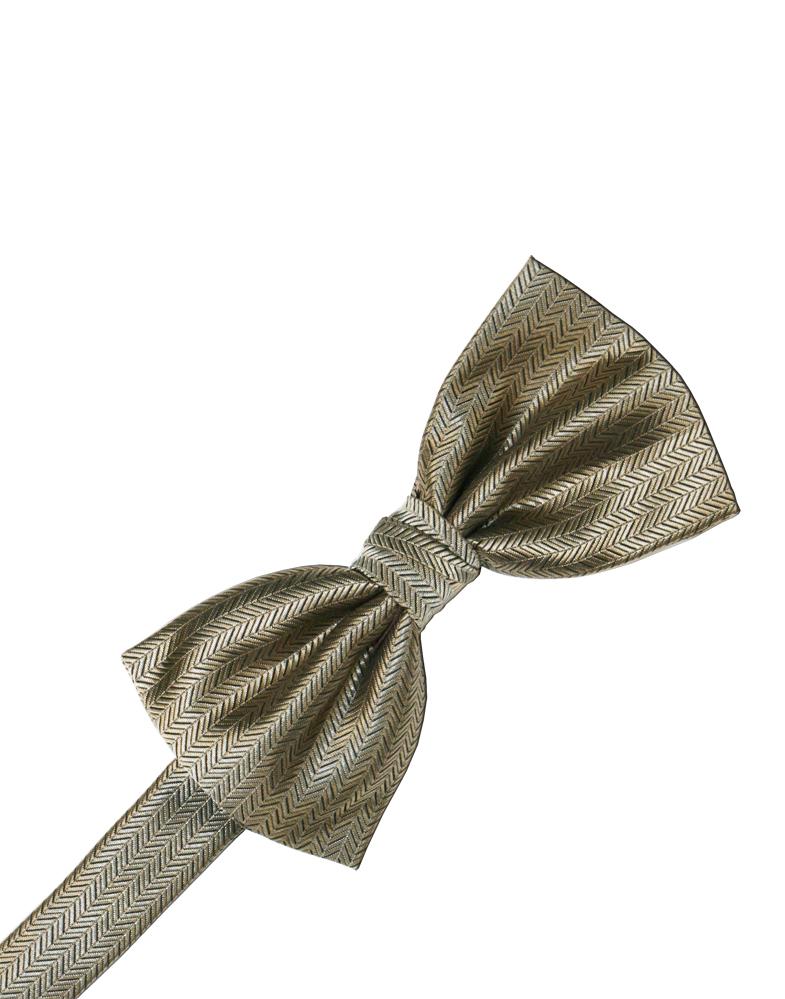
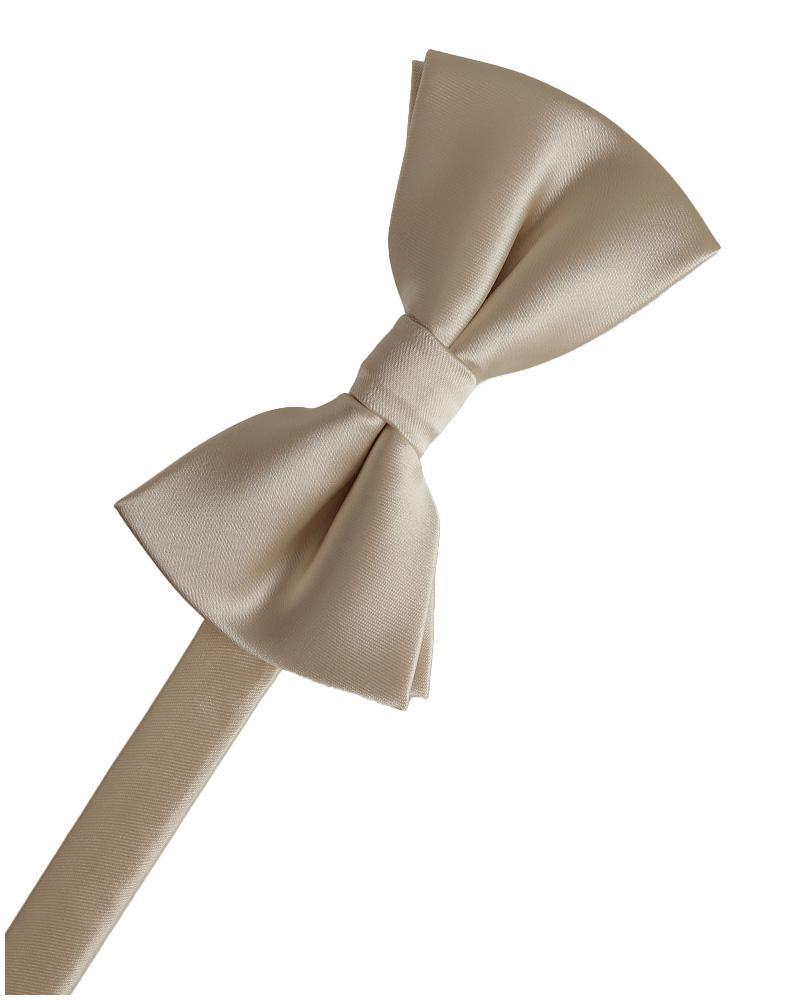
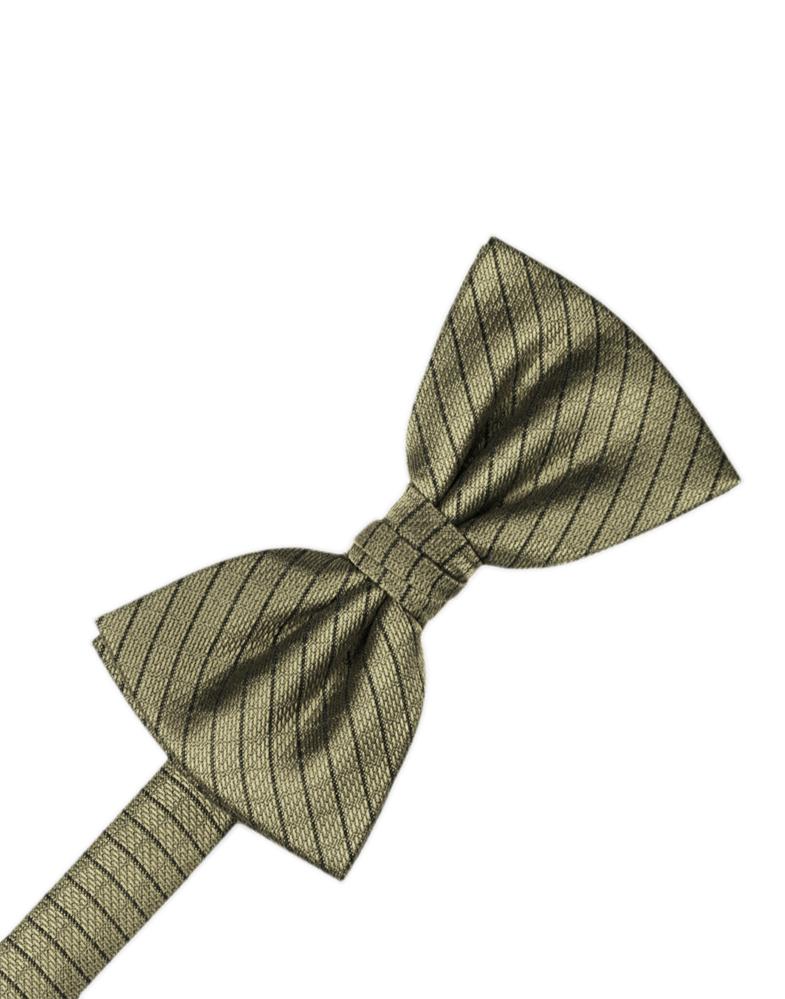
A gold bow tie can be a small but distinctive way to connect an outfit to a warm event palette. The collection includes Golden, New Gold, Champagne, Harvest Maize, and other tones, with smooth and patterned fabric options. A pale champagne bow tie and a saturated golden design create different levels of contrast, so choose in relation to the actual shirt and jacket.
Work with the Invitation
Gold neckwear belongs to occasions that allow a creative or color-coordinated interpretation of formal dress. It can be considered for weddings, prom, and celebrations, but it is not the conventional bow-tie choice for strict black tie. Confirm the expectations before selecting the palette.
If the event calls for a traditional tuxedo outfit, compare black bow ties. For a gold-themed look, use the gold formalwear hub to plan the supporting clothing and accessories. The bow tie should connect those choices rather than determine every other detail on its own.
Pick the Right Depth of Gold
Light Champagne, Champagne, Golden, and New Gold can differ in warmth and saturation. The fabric finish changes their appearance further: a reflective satin and a patterned weave may not look alike even when their names are similar. Avoid assuming that a gold label means metallic construction.
Compare the bow tie against the shirt collar and jacket lapels. A very pale shade may look subtle against cream but clearer against white or a dark shirt. Where available, use gold fabric swatches from the correct range to assess a wedding match under more than one type of lighting.
Keep Pattern in Balance
The assortment includes designs such as Tapestry, Herringbone, Venetian, Regal, and floral styles. A visible pattern can work well when the jacket and shirt are relatively simple. If the jacket is already decorative, quieter neckwear usually makes the combination easier to read.
With gold tuxedo jackets, decide whether the bow tie should echo the jacket or provide contrast. Matching every surface in gold can reduce definition at the shirt front. A small difference in depth or a simpler fabric may create a more composed relationship.
Check Construction and Measurements
Review whether the chosen design is self-tie, pre-tied, banded, or another construction, and confirm its neck-size range. Different products in one collection can have different fastening details. Product photographs alone are not enough to establish how the bow tie is worn.
Consider the bow’s width and shape against your face, collar, and jacket lapels. Try the full combination on before the event, including fastening the collar comfortably. If the design requires tying, allow time to practice rather than leaving that part of the outfit until the last moment.
Coordinate the Waistline and Pocket Square
A gold vest or gold cummerbund can connect the neckwear to the waistline in a suitable outfit. Choose one waist-covering approach and compare the actual fabric ranges. Similar shade names do not guarantee an identical finish.
For the breast pocket, explore gold pocket squares and decide how much repetition the outfit needs. A square can share one color without copying the bow tie’s full design. When the waistcoat and neckwear are already prominent, a quiet pocket detail is often enough.
Make Group Outfits Consistent
For a wedding party, record the exact bow tie name, fabric, and construction before others order. Check stock and any size requirements first. A general instruction to buy champagne or gold can lead to a range of undertones that looks less coordinated in group photographs.
Inspect the finished combination in daylight and indoor lighting. Follow the product’s care instructions, and assess comfort as well as appearance. A successful gold bow tie gives the outfit a clear accent while allowing the shirt, jacket, and wearer to remain visually balanced.