Brown Neckties
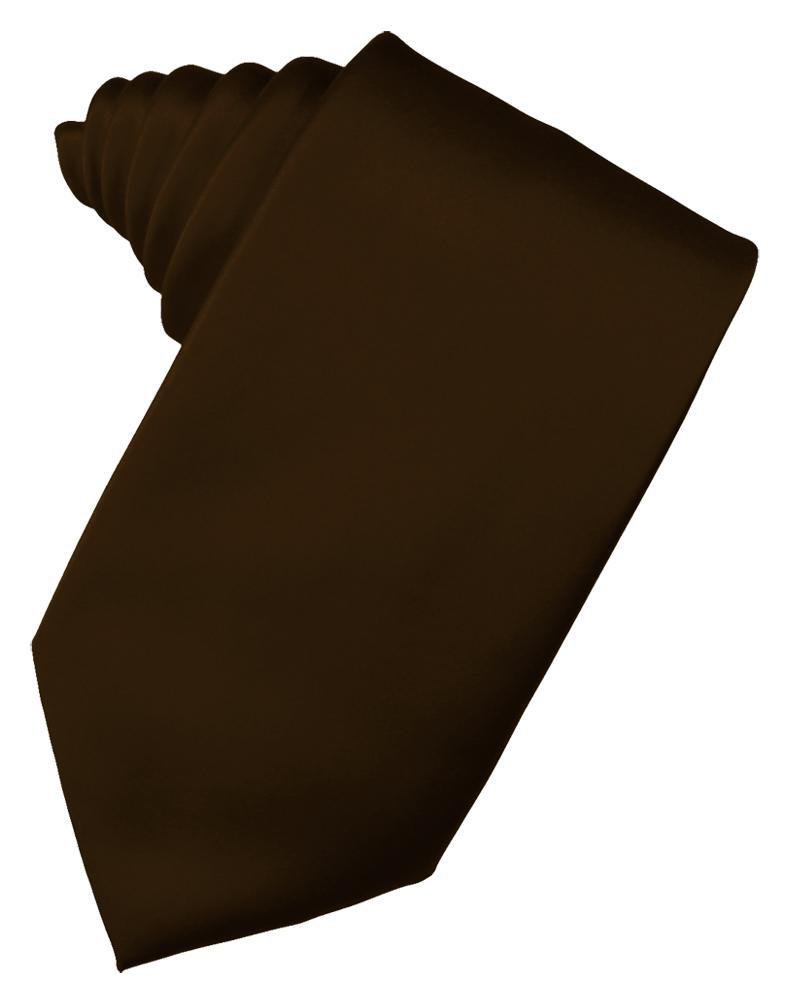
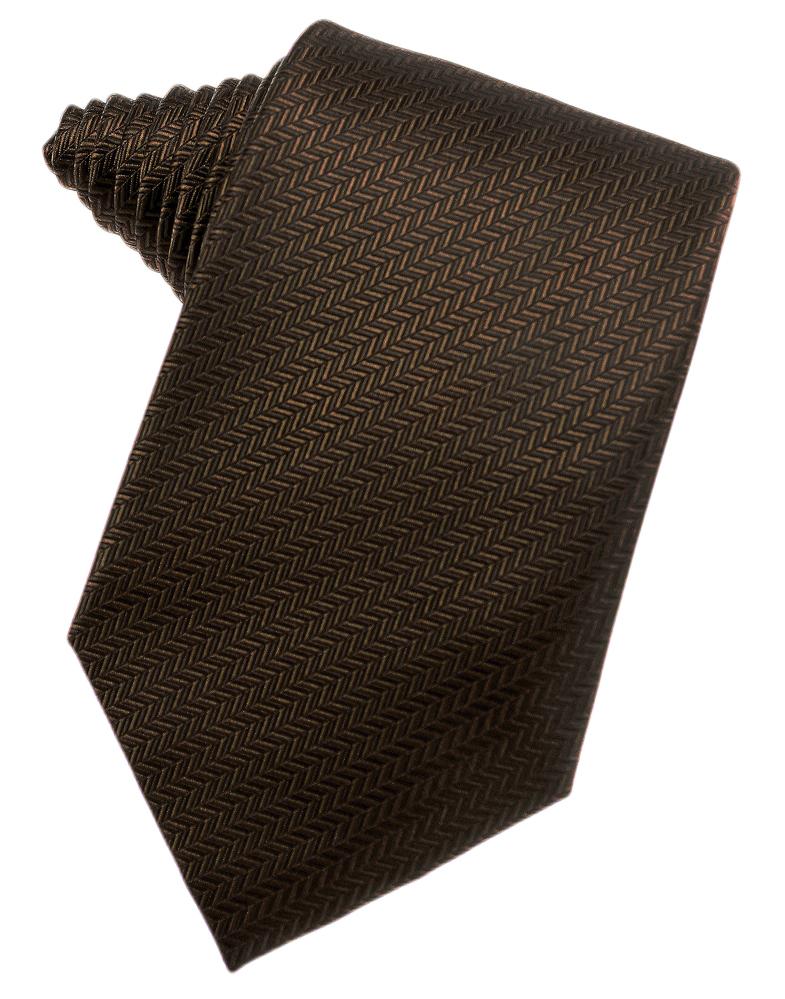
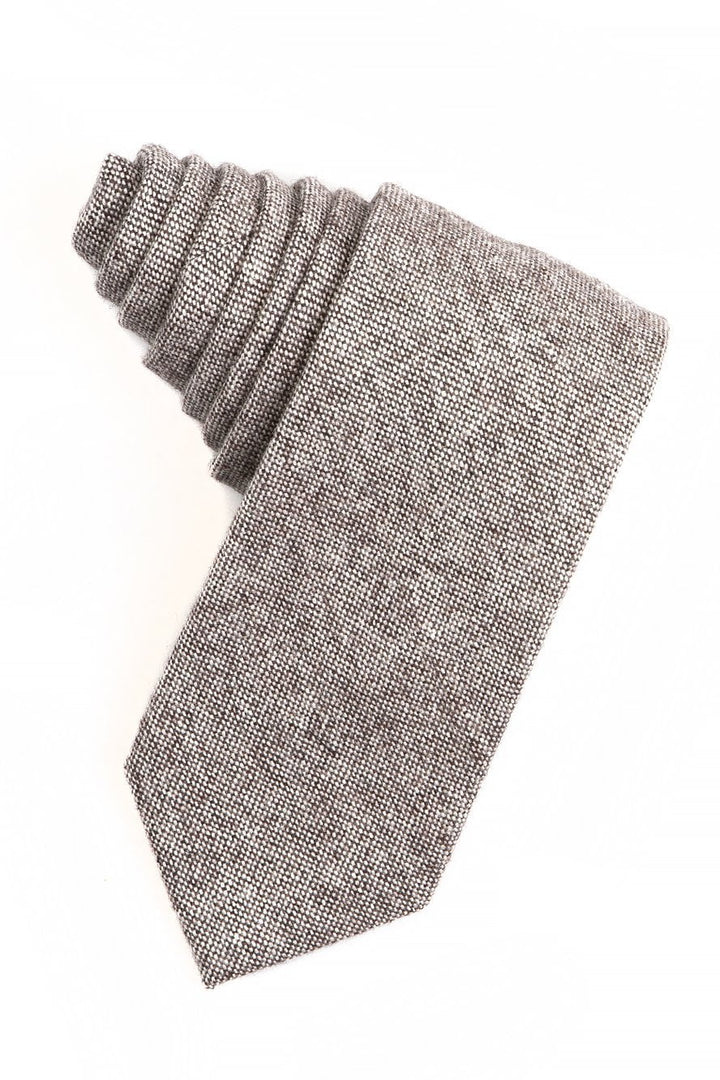
Brown neckties bring warmth to tailoring without requiring the whole outfit to use the same color. A chocolate tie can anchor a pale shirt, while lighter neutrals create a softer contrast. This collection includes Luxury Satin, Herringbone, Tapestry, knit, tweed, floral, and other designs. Choose the shade in relation to your clothing, then refine the decision through fabric, width, and pattern.
Pair Brown with the Suit You Own
Brown can complement a navy, grey, tan, or brown suit in different ways. Against navy, a warm tie can introduce contrast; against tan, a deeper shade can define the shirt front. With a brown jacket, distinguish the tie through depth or texture so the outfit does not become visually flat.
Start with brown suit separates if you are building a new outfit, or compare ties directly against your existing jacket. The brown formalwear hub helps bring the surrounding pieces into the same plan. Choose the overall relationship first rather than trying to make every item identical.
Select the Depth and Undertone
Chocolate, espresso, mocha, cognac, latte, and other brown-family names span a wide palette. The same shade name can appear different in satin and a textured weave. Judge the material itself, particularly when a wedding palette depends on a close relationship with dresses, flowers, or other accessories.
Where available, compare brown fabric swatches in natural light. A sample from the correct range is more useful than an unrelated brown textile. If an exact match is not possible, a clearly complementary shade often looks more intentional than two nearly matching materials that differ in undertone.
Width and Pattern Change the Character
Selected Luxury Satin designs offer skinny versions, while other ties have their own dimensions. Compare the listed width with your jacket lapels and shirt collar. A narrow tie can look out of proportion with a broad lapel just as an oversized tie can crowd a smaller collar.
For a patterned shirt or plaid jacket, consider a quieter tie. For a plain shirt and suit, herringbone, floral, knit, or another texture can add interest. Keep the scale of neighboring patterns different, and inspect the complete outfit from a normal viewing distance rather than only studying each fabric up close.
Coordinate the Shirt and Pocket Square
White creates a crisp background for brown neckwear. Pale blue introduces a cooler note, while cream can emphasize warmth. Check how the collar frames the knot, and choose a knot that fits the collar space without forcing the points outward.
Browse brown pocket squares for a complementary breast-pocket detail. Repeating one color can be enough; identical fabric across every accessory is not essential. If a brown vest is part of the outfit, make sure the tie sits neatly within its opening and does not compete with a strong waistcoat pattern.
Wedding Parties and Special Occasions
A brown tie can help connect a wedding party to an earthy palette while allowing the suits to remain neutral. Specify the exact design and dimensions if a consistent group appearance matters. Check current availability and leave time to compare the tie with the final shirt and suit.
The groom can use a subtle variation in texture or shade while keeping the same overall direction. For traditional black tie, however, a brown necktie is not the conventional choice. Consider the dress code and compare black bow ties when a classic tuxedo ensemble is expected.
A Practical Final Check
Tie the necktie with the shirt you will wear and assess its length against the trouser waistband. Different knots use different amounts of fabric, so check the result before the event. Keep the tie comfortable at the collar and review the appearance with the jacket both open and closed.
Follow the specific care instructions for the fabric. If you prefer a shorter neckwear shape for a suitable occasion, explore brown bow ties. A well-chosen brown necktie should connect the outfit’s colors and proportions, giving the look a clear finishing point without overwhelming it.
Questions to Settle Before Ordering
For brown, compare the warmth of the chosen shade with nearby tan, cream and darker accessories. These related neutrals can coordinate beautifully, but a deliberate difference in depth is often clearer than an accidental near-match between unrelated materials.
What should I check when trying a knot? Use the actual shirt and trousers, not just the tie in front of a mirror. Confirm that the knot fits the collar opening, the narrow end is managed neatly and the finished tip reaches the intended position at the waistband. A thicker material can create a larger knot than a thinner one using the same method. Practice the chosen approach before the event so the final proportions are comfortable and repeatable.
How can a tie work with an outfit I already own? Start by putting on the existing suit and shirt, then compare the tie in that context. Identify whether the outfit needs color, texture or simply a quiet finishing piece. If the jacket and shirt already contain patterns, a simpler tie may be easier to combine. Consider the events for which you will reuse it, while remembering that no single accessory changes a suit into the correct attire for every dress code.
What helps keep a group’s neckwear consistent? Specify the exact product and width, as well as the shade and fabric family. Similar color names can hide differences that become more obvious when several people stand together. Agree on a general knot appearance if consistency is important, but allow for individual collar proportions and comfortable fit. Keep the selected item information with the rest of the outfit plan so replacements or later additions can be compared accurately rather than guessed.